
TL;DR
November care for African violets centers on brighter indirect light, careful watering, moderate humidity and stable temperatures, according to plant expert Shane Pliska. These steps may support healthy growth and spring flowering, but they cannot guarantee a particular bloom display.
A houseplant-care report recommends that growers give African violets brighter indirect light, manage moisture carefully and protect them from dry air and temperature swings through November and winter. Plant expert Shane Pliska says stable conditions can help the plants maintain healthy growth ahead of spring, though the advice does not guarantee blooms.

Get the little things that make your day delivered free with Prime
- Fast, free delivery on millions of items
- Prime Video, Amazon Music and more included
- Member-only deals all year
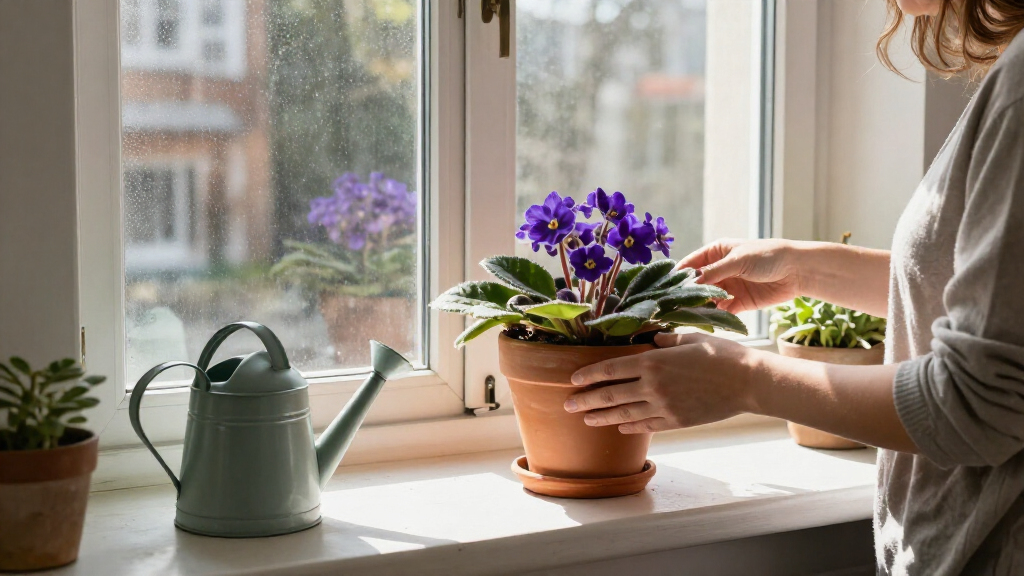
As daylight declines in late fall, African violets may receive less light to support growth and flowering. Pliska, president and CEO of interior landscaping company Planterra, says growers should move plants to a brighter location, such as an east- or south-facing windowsill. The report cautions against direct winter sun, which can scorch the plants’ sensitive leaves. A grow light is another option when natural light is limited.
Watering also needs adjustment as cooler conditions and shorter days can leave potting mix wet for longer. The guidance is to avoid both letting the entire pot dry out and leaving it standing in water. Pliska recommends checking moisture and keeping water in a tray only if the pot sits above the waterline, using pebbles or a spacer if needed. Bottom watering may help reduce water marks or damage to the foliage.
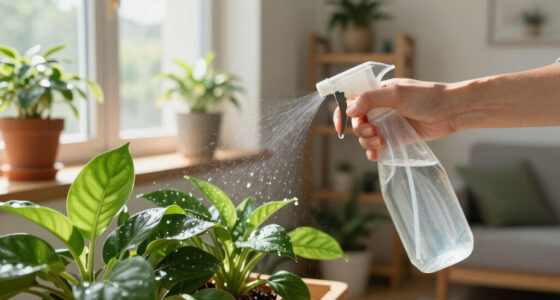
Indoor heating can lower humidity, while African violets are described in the report as preferring humidity of 40% to 60%. A pebble tray or grouping plants can raise local humidity. The report advises against misting or placing a humidifier directly near African violets because moisture can collect on their leaves and central crown. Remove only damaged or discolored leaves and spent flowers; avoid heavy pruning.
African violets in November Set up for spring growth
Brighter indirect light, careful watering and steady conditions can reduce winter stress. They support healthy growth, but do not guarantee spring blooms.
Find brighter, gentle light
Shorter days may limit the light available for growth and flowering.
Move toward brighter light
Try an east- or south-facing windowsill, or use a grow light when natural light is limited.
Avoid harsh direct sun
Direct winter sun can scorch sensitive leaves. Rotate the plant occasionally for more even light.
Water by checking the soil
Cooler, darker conditions can leave potting mix wet for longer, so follow its moisture rather than a fixed calendar.
Avoid letting the entire pot dry out.
Do not leave it standing in water; use a spacer in a tray if needed.
Bottom watering may help prevent water marks or damage to foliage.
Manage dry air safely
Indoor heating can lower humidity during winter.
- Set up a pebble tray
- Group plants together
- Misting the leaves
- Placing a humidifier directly nearby
Keep grooming light
Remove damaged or discolored leaves and spent flowers. Leave healthy foliage and the central crown intact.
- Watch for sudden temperature changes.
- Adjust conditions gradually as needed.
Winter Conditions Shape Spring Growth
November care matters because shorter days, indoor heating and cooler conditions change the environment in which African violets grow. Less light may limit the energy available for flowering, while soil that stays wet longer can raise the risk of root problems. Dry indoor air and abrupt temperature changes can also stress the plants.
The practical implication is not that a particular routine will guarantee a spring display, but that growers can reduce avoidable stress by making gradual adjustments. Placing a plant in brighter indirect light and checking its soil before watering are simple steps that respond to the seasonal shift without imposing a rigid schedule on every home.
Products Worth Considering

Solo Stove Bonfire 2.0 Smokeless Wood-Burning Fire Pit with Stand, 19.5-Inch, Silver

EGO POWER+ LB5302 Cordless Leaf Blower, 530 CFM, with 2.5Ah Battery and Charger

Husqvarna Automower 550 Commercial Robotic Lawn Mower
As an affiliate, we earn on qualifying purchases.
Why November Care Changes
African violets are flowering houseplants with a compact central crown and velvety leaves. The source report describes them as sensitive to changes in their surroundings, making seasonal shifts relevant to their care. In November, reduced daylight and the start of indoor heating can alter both light exposure and humidity.
The advice in the report comes from Pliska, identified as Planterra’s president and CEO. It combines his comments on light, watering and grooming with general care recommendations, including a humidity range and suggestions for using trays or grow lights. The source does not provide a study or experimental results comparing different care methods.
“Light is everything. If you want blooms, you need good light.”
— Shane Pliska, president and CEO of Planterra
Bloom Timing Is Not Guaranteed
The report offers general seasonal care advice, not a guarantee that plants receiving these adjustments will flower in spring. It does not specify how quickly a particular plant should produce buds, or how factors such as cultivar, potting mix, plant age and existing health may affect results. The source also does not give a fixed watering schedule; moisture needs depend on how quickly an individual pot dries.
The supplied source ends partway through a discussion of winter temperatures, after stating that African violets prefer a stable range of 65°F to 75°F. It does not include the expert’s complete comments on temperature or further detail about how to handle every type of heating vent or draft. The care guidance should not be read as a promise of more vibrant blooms.
Keep Conditions Steady Through Winter
Growers can begin by checking the plant’s current light and moving it only as needed to find a brighter spot without harsh direct sun. Through winter, they can monitor soil moisture rather than following a fixed calendar, keep the pot out of standing water, and watch for dry air or sudden temperature changes. Occasional rotation can distribute light more evenly, according to the report.
The next visible milestone may be new growth or buds as spring approaches, but timing and results will vary. Continue removing damaged foliage and spent flowers while leaving healthy leaves and the central crown intact. No further event or formal update is identified in the source; the recommendations concern ongoing seasonal plant care.
Key Questions
Where should I put an African violet in November?
Choose a brighter location, such as an east- or south-facing windowsill, while avoiding harsh direct sun that may scorch its leaves. A grow light may help if natural light is limited.
How often should I water an African violet in winter?
The source does not give a fixed schedule. Check the soil and avoid letting the whole pot dry out, but do not leave the pot sitting in standing water. Cooler, darker conditions can mean soil stays wet longer.
Can I mist an African violet to raise humidity?
The report advises against misting because moisture on sensitive leaves or around the central crown may contribute to damage or rot. It suggests a pebble tray or grouping plants instead.
Will November care guarantee flowers in spring?
No. The recommendations may support healthy growth, but the source does not establish that they guarantee blooms or a particular flowering time.
Source: homesandgardens.com