
When you bring houseplants home, they often struggle because of sudden environmental changes, such as different light, humidity, or temperature. Many plants also suffer if their soil doesn’t drain well, leading to overwatering or root rot. Additionally, pests can hitchhike on new plants, causing problems. To help them thrive, you need to check soil conditions, inspect for pests, and adjust their environment. Keep going to discover how to give your plants the best start indoors.

Get the little things that make your day delivered free with Prime
- Fast, free delivery on millions of items
- Prime Video, Amazon Music and more included
- Member-only deals all year
Key Takeaways
- Poor soil drainage indoors can lead to root rot and plant stress.
- Inadequate soil structure may hinder healthy root development.
- Hidden pests during indoor transition weaken plants and cause health issues.
- Lack of proper quarantine increases pest spread inside the home.
- Overwatering or improper moisture levels disrupt plant health and growth.
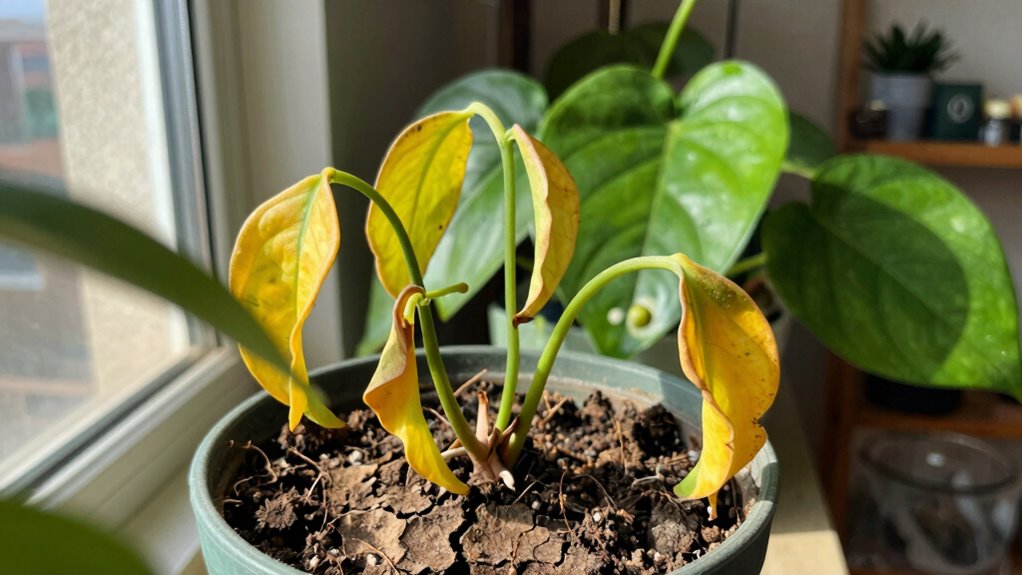
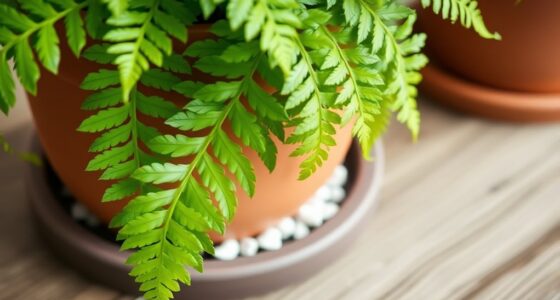
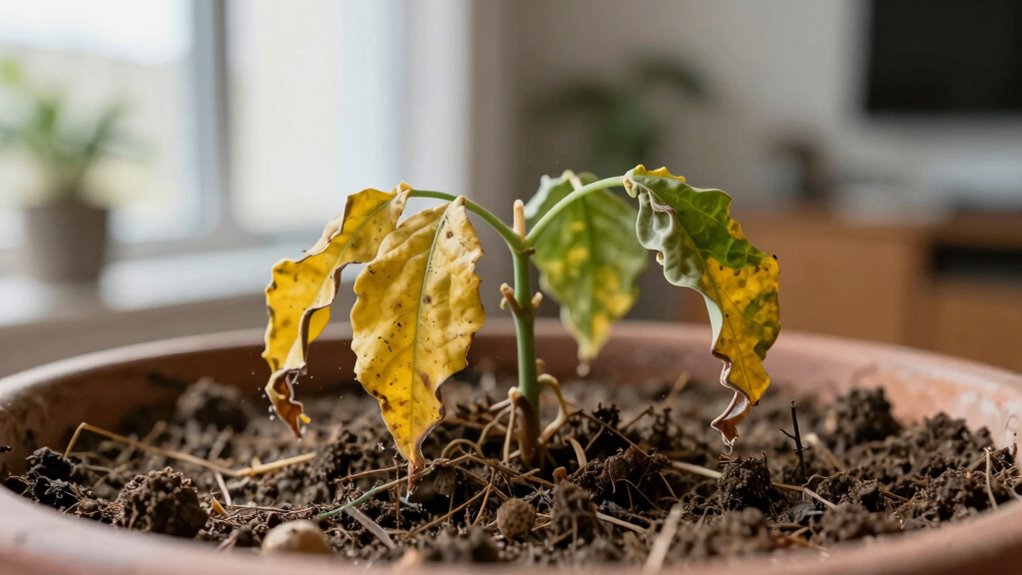
Bringing houseplants into your home might seem straightforward, but many plants struggle to thrive after being moved indoors. One common issue is that the soil drainage isn’t ideal for their needs. When plants grow outdoors, they often develop in soil that drains well naturally, preventing excess water from sitting around their roots. However, when you bring them inside, the potting mix might retain too much moisture, leading to root rot or other problems. To avoid this, you need to check if your plant’s soil allows water to flow freely. If it doesn’t, consider repotting with a mix that improves drainage — add components like perlite or coarse sand to create a lighter, more breathable environment. Ensuring proper soil drainage is vital because it keeps roots healthy and prevents overwatering, which is a common mistake among indoor plant owners. Additionally, selecting the right soil type and amendments can significantly influence soil drainage and overall plant health indoors. Creating a well-draining environment is especially important because it helps mimic the natural conditions that outdoor plants thrive in. Proper soil structure is key to maintaining healthy roots and preventing problems like waterlogging. Improving your soil’s water retention can also help maintain the ideal moisture balance for your houseplants.
Another reason your houseplants may struggle indoors relates to pest control. When you bring plants into your home, they might carry pests like spider mites, aphids, or scale insects that aren’t immediately visible. These pests can quickly spread and weaken your plant, causing leaf drop, discoloration, or stunted growth. To prevent this, always inspect plants thoroughly before bringing them inside. Look under leaves, along stems, and in any crevices. If you notice pests, treat the plant with appropriate methods—whether that’s washing with water, applying neem oil, or using insecticidal soap. Additionally, quarantine new plants for a few days before placing them near your existing collection. This helps you catch and treat any pest issues early, reducing the risk of infestations that can be difficult to control once they’ve taken hold. Proper pest inspection is a crucial step in maintaining healthy indoor plants. Being aware of common pest infestations and their signs can save you time and effort in the long run. Regularly monitoring your plants for signs of trouble can also help catch issues before they become severe.
As an affiliate, we earn on qualifying purchases.
Frequently Asked Questions
How Long Does It Typically Take for Houseplants to Recover?
It usually takes a few weeks to a couple of months for your houseplants to recover, depending on their root health and soil quality. During this time, you should monitor moisture levels, guarantee proper drainage, and avoid overwatering. Improving soil quality with fresh, well-draining soil can speed up recovery. Keep an eye on signs of stress and give your plants consistent, gentle care to help them regain strength quickly.
Can Adjusting Watering Habits Help Stressed Houseplants?
Adjusting your watering habits can definitely help stressed houseplants bounce back. Think of soil moisture as their lifeblood—keeping it just right prevents both root rot and dehydration. By monitoring watering frequency carefully, you give your plants the balance they need to regain strength. When you water appropriately, your houseplants will thrive, showing vibrant leaves and healthy growth, turning your home into a lush oasis.
Are Certain Houseplants More Prone to Stress After Bringing Home?
Yes, some houseplants are more prone to stress after bringing them home. Plants like ferns and succulents often experience transplant shock, making them sensitive to changes in environment. They need a gradual light adjustment to adapt comfortably. You should ease them into brighter spots over time and avoid sudden changes, helping reduce stress and promote healthy growth. Paying attention to their specific light and care needs can make a big difference.
How Can I Identify if My Houseplant Is Overwatering or Underwatering?
Did you know overwatering is the leading cause of houseplant decline? To tell if your plant is overwatering or underwatering, check the soil drainage first—water sits in poorly-draining soil, causing root rot. If the leaves yellow or drop, and the soil feels soggy or dry, adjust your watering schedule accordingly. Consistent observation helps prevent stress, ensuring your houseplant stays healthy and vibrant.
What Are Common Pests That Attack Stressed Houseplants?
Common pests attacking stressed houseplants include spider mites, aphids, mealybugs, and scale insects. Pest identification is key to choosing effective treatments. You can spot these pests by inspecting leaves, stems, and soil for tiny bugs or sticky residue. For organic treatments, try neem oil, insecticidal soap, or homemade garlic spray. Regularly monitoring your plants helps catch pests early and keeps them healthy and thriving.
houseplant pest control products
As an affiliate, we earn on qualifying purchases.
As an affiliate, we earn on qualifying purchases.
Conclusion
So, next time you bring a houseplant home, remember that its struggle isn’t just about adapting—it’s about a secret journey of resilience and adaptation. Will it survive the unseen challenges and thrive in your space? Or will it quietly succumb to the unfamiliar environment you’ve given it? The answer lies in understanding its needs and patience. Your plant’s story is just beginning, and only time will reveal whether it blossoms or fades into the shadows.
plant quarantine and inspection kit
As an affiliate, we earn on qualifying purchases.
As an affiliate, we earn on qualifying purchases.
drainage-enhancing soil amendments for houseplants
As an affiliate, we earn on qualifying purchases.
As an affiliate, we earn on qualifying purchases.
Fall Picks
fall essentials
As an affiliate, we earn on qualifying purchases.