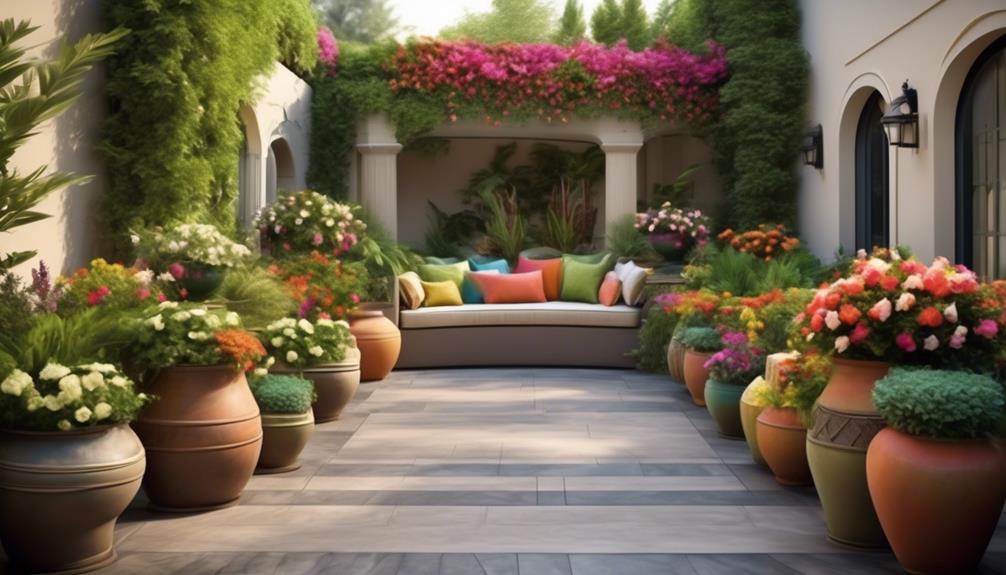
Proper drainage is key to keeping your indoor plants healthy. It prevents water from sitting around roots, which can cause root rot and fungal issues. Using pots with drainage holes, adding organic amendments, and avoiding overwatering help maintain the right moisture level. Monitoring your plants closely and adjusting watering practices ensures ideal growth. If you want to learn how to enhance your plant’s environment further, keep exploring how drainage impacts their well-being.

Get the little things that make your day delivered free — and shop member deals
- Fast, free delivery on millions of items
- Access to Prime Big Deal Days deals on October 6–7
- Prime Video, Amazon Music and more included
Key Takeaways
- Proper drainage prevents waterlogging, reducing the risk of root rot and fungal diseases in indoor plants.
- It ensures excess water escapes, maintaining optimal moisture levels around plant roots.
- Good drainage improves soil aeration, promoting healthy root growth and nutrient absorption.
- Selecting containers with drainage holes and using soil amendments enhances overall drainage efficiency.
- Monitoring watering practices and soil conditions helps sustain balanced moisture, supporting plant vitality.

Proper drainage is essential for keeping your indoor plants healthy and thriving. When your plants receive the right amount of water, they can absorb nutrients effectively, but excess water can quickly lead to problems like root rot and fungal diseases. To prevent this, you need to pay close attention to your watering schedule, ensuring you don’t overwater or underwater your plants. Consistent watering is key, but equally important is understanding how your soil handles moisture. This is where soil amendments come into play. By incorporating organic matter such as compost or peat moss into your potting mix, you can improve soil structure, making it more porous and better at draining excess water. These amendments help create a balance that keeps roots moist but not waterlogged, which is *crucial* for plant health.
When setting up your indoor garden, consider the drainage capabilities of your containers. Pots with drainage holes allow excess water to escape, preventing water from pooling at the bottom. If you’re using pots without drainage, you should be extra cautious with your watering schedule and consider adding a layer of gravel or small stones at the bottom to facilitate drainage. This simple step can make a significant difference in avoiding standing water that causes root suffocation. Additionally, mixing soil amendments into the potting mix can enhance drainage, particularly if your soil tends to retain too much moisture. Regularly checking your plants’ roots can give you clues about whether your soil’s drainage is adequate—roots that are brown or mushy indicate overwatering or poor drainage.
Furthermore, cold-pressed vegetable juice can help hydrate your plants naturally when diluted or used as part of a compost tea, supporting overall plant health. Adjusting your watering schedule based on the needs of your specific plants is *crucial*. Some plants prefer consistently moist soil, while others thrive in drier conditions. The key is observing how your plants respond and adjusting accordingly. When you water, do so thoroughly so that excess drains out of the bottom of the pot, then wait until the top inch of soil feels dry before watering again. Incorporating soil amendments also helps buffer fluctuations in moisture levels, making your watering routine more effective. This approach not only prevents waterlogging but also promotes healthy root growth. Remember, a well-draining soil environment combined with a mindful watering schedule creates the perfect conditions for your indoor plants to flourish, with strong roots and vibrant foliage.
indoor plant pots with drainage holes
As an affiliate, we earn on qualifying purchases.
As an affiliate, we earn on qualifying purchases.
Frequently Asked Questions
How Often Should I Replace the Drainage Material in Pots?
You should replace the drainage material in your pots every couple of years, depending on how often you water your plants and soil moisture levels. When you notice compacted or degraded drainage material that no longer drains well, it’s time for a change. Regularly check for clogs or buildup that can hinder proper drainage, especially if you increase watering frequency or the soil tends to stay overly moist, to keep your plants healthy.
Can Poor Drainage Cause Specific Plant Diseases?
Poor drainage can definitely lead to plant diseases like root rot, as excess water causes soil compaction and suffocates roots. When your pot doesn’t drain well, water builds up, creating a damp environment ideal for fungi and bacteria. This stress weakens your plant’s immune system, making it more susceptible to infections. To prevent this, make sure your pots have proper drainage and avoid overwatering.
What Are Signs of Inadequate Drainage in Indoor Plants?
You notice your indoor plant’s leaves yellowing, roots turning black, and a musty smell, signaling poor drainage. Mold growth on the soil surface and persistent soggy soil also indicate inadequate drainage. These signs point to issues like root rot, which damages roots, and mold growth, which thrives in excess moisture. Addressing these symptoms early helps prevent further damage and keeps your plant healthy.
How Does Drainage Affect Nutrient Absorption in Plants?
Good drainage improves nutrient absorption by promoting root aeration, which allows roots to breathe and access oxygen. When drainage is inadequate, water pools around roots, leading to mineral leaching, where essential nutrients wash away before plants can absorb them. This process hampers growth and health. Proper drainage ensures roots stay healthy, facilitating efficient nutrient uptake and preventing issues caused by waterlogged soil.
Are There DIY Methods to Improve Drainage for Indoor Pots?
Yes, you can improve drainage with simple DIY methods. Mix soil amendments like perlite, coarse sand, or gravel into your potting mix to enhance drainage. Also, adjust your watering techniques by watering less frequently and ensuring excess water drains out completely. Adding a layer of small stones at the bottom of your pot can further prevent waterlogging, helping your indoor plants stay healthy and prevent root rot.
soil amendments for better drainage
As an affiliate, we earn on qualifying purchases.
As an affiliate, we earn on qualifying purchases.
Conclusion
If you ignore drainage, your indoor plants might as well be swimming in a swamp of their own misery! Poor drainage can turn your beautiful greenery into a soggy, root-rotting disaster faster than you can say “plant emergency.” But when you master proper drainage, you’re basically giving your plants a luxurious spa day every day, making them thrive like royalty. So, don’t just water—water wisely, and watch your indoor jungle flourish like never before!
As an affiliate, we earn on qualifying purchases.
As an affiliate, we earn on qualifying purchases.
Fall Picks
fall essentials
As an affiliate, we earn on qualifying purchases.