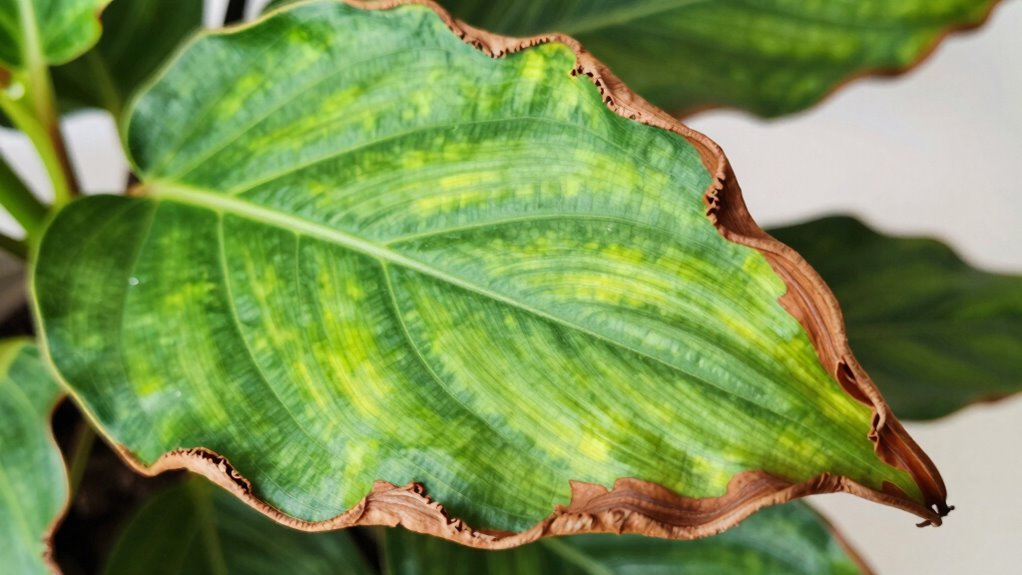

Crispy brown edges on indoor leaves often happen because of dry air, overexposure to direct sunlight, or inconsistent watering. When the air is too dry, especially in winter or heated rooms, leaves lose moisture and turn crispy. Too much direct sunlight can scorch the tips, while underwatering or overwatering can stress the plant. Temperature fluctuations and poor air circulation also contribute. Keep these factors in mind to help your plants stay healthy — you’ll discover more solutions ahead.
Key Takeaways
- Low humidity levels cause leaf edges to dry out and turn brown.
- Excessive direct sunlight scorches leaves, leading to crispy, brown margins.
- Inconsistent watering, especially underwatering, stresses plants and causes browning.
- Environmental stress from drafts or temperature fluctuations damages leaf edges.
- Dust and pollutants can impair leaf health, resulting in browning and dehydration.
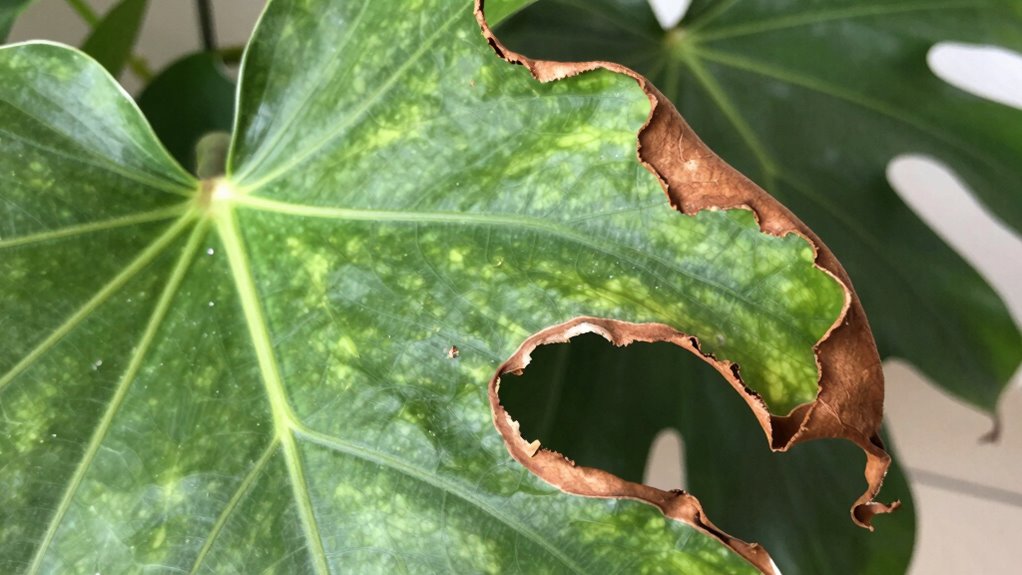
If your indoor plants are developing crispy brown edges on their leaves, it’s a sign that something isn’t quite right with their care or environment. One common cause is inconsistent or improper plant watering. When you overwater, the roots can suffocate, leading to poor nutrient absorption, which in turn causes the leaf edges to dry out and turn brown. On the flip side, underwatering can also stress the plant, depriving it of essential moisture and resulting in similar browning. The key is to find a balance: water thoroughly when the top inch of soil feels dry, but avoid letting the plant sit in soggy soil. Adjust your watering schedule based on the plant’s type, size, and the season, as many indoor plants prefer slightly moist but not waterlogged soil.
Find the right watering balance—avoid soggy soil and dry conditions to keep your plants healthy.
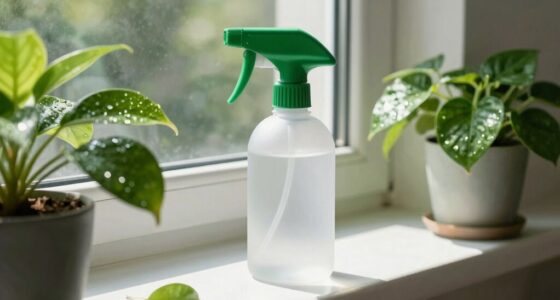
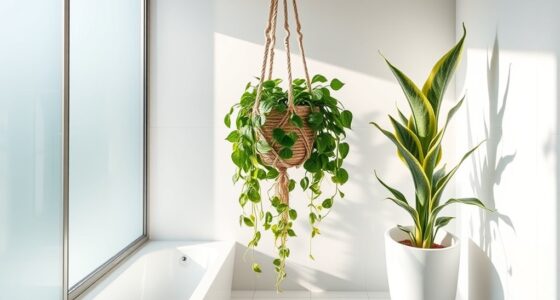
Another major factor is humidity levels. Many indoor plants, especially tropical varieties, thrive in higher humidity environments. When the air in your home is too dry — often during winter months or in heated rooms — the leaf edges can become crispy and brown. Dry air pulls moisture from the plant’s leaves faster than it can replenish, leading to dehydration at the cellular level. To combat this, you can increase humidity by placing a tray of water near your plants, grouping several plants together, or using a humidifier. Regular misting can also help, but it’s less effective and can sometimes promote fungal issues if not done carefully. Understanding the plant’s specific humidity needs can help you maintain optimal conditions and prevent leaf damage. Additionally, monitoring indoor air quality, such as dust and pollutants, can influence overall plant health and help prevent stress-related browning. Ensuring proper air circulation can also reduce the buildup of excess moisture and prevent fungal problems that may contribute to leaf damage. Being aware of temperature fluctuations is equally important, as sudden changes can stress plants and cause leaf damage.
Temperature extremes and drafts can exacerbate the problem, so keep your plants away from heating vents, radiators, or chilly drafts that cause rapid moisture loss. Consistent temperature and humidity are essential for preventing leaf browning. Additionally, consider the plant’s specific needs: some species are more tolerant of dry air, while others require consistently high humidity levels. Recognizing these preferences can help you tailor your care routine.
Proper lighting conditions are also critical, as too much direct sunlight can scorch leaves, making the edges crispy and brown, while too little light can weaken the plant and make it more vulnerable to stress and damage. Adjust your placement accordingly, ensuring your plant receives the right amount of light without exposure to harsh rays or cold drafts.

Levoit Top Fill Humidifiers for Bedroom, 2.5L Tank for Large Room, 28dB
𝙁𝙖𝙨𝙩 𝙃𝙪𝙢𝙞𝙙𝙞𝙛𝙞𝙘𝙖𝙩𝙞𝙤𝙣 𝘼𝙡𝙡 𝙉𝙞𝙜𝙝𝙩: Runs for up to 25 hours on low thanks to its SUPER LARGE capacity…
As an affiliate, we earn on qualifying purchases.
As an affiliate, we earn on qualifying purchases.
Frequently Asked Questions
Can Overwatering Cause Crispy Leaf Edges Indoors?
Yes, overwatering can cause crispy leaf edges indoors. When you water too often, soil drainage worsens, leading to waterlogged roots and poor nutrient uptake. This stress weakens your plant’s leaves, causing them to turn crispy and brown at the edges. Additionally, overwatering can promote pest infestations, which further damage leaves. To prevent this, guarantee proper soil drainage and avoid excessive watering, giving your plant a healthy balance.
Do Specific Indoor Plants Have More Brown Edge Issues?
Yes, certain plant species are more prone to brown edge issues due to their leaf edge patterns and sensitivity. For example, succulents and tropical plants like calatheas often develop crispy edges if exposed to low humidity or uneven watering. You should pay close attention to the specific needs of each plant species, adjusting humidity, watering, and light accordingly to prevent brown edges and keep your indoor plants healthy.
How Does Humidity Affect Leaf Edge Browning?
Imagine walking into your home and noticing your plant’s leaf edges turning crispy. Humidity fluctuations can cause this, as sudden changes dry out the leaf margins. Poor air circulation worsens the effect, trapping dry air around the plant. To prevent browning, keep humidity levels steady and improve air flow. This creates a balanced environment where your plant’s leaves stay healthy, vibrant, and free of crispy edges.
Can Fertilizer Imbalance Lead to Crispy Leaf Edges?
Yes, fertilizer imbalance can lead to crispy leaf edges. When your plant suffers from nutrient deficiency, it struggles to absorb essential minerals, causing stress. Additionally, a soil pH imbalance can hinder nutrient uptake, worsening the problem. Over-fertilizing can also cause salt buildup, damaging leaf edges. To prevent this, make sure your fertilizer levels are suitable, and monitor soil pH to maintain ideal conditions for healthy, vibrant leaves.
Are Brown Edges Reversible Once They Appear?
Brown edges on your indoor leaves aren’t usually reversible once they appear. If it’s caused by a plant disease or pest infestation, the damage is often permanent unless you catch and treat the problem early. You should inspect your plant closely, remove affected leaves, and address any pest or disease issues promptly. Improving humidity, watering properly, and avoiding further stress can prevent new crispy edges, but existing damage typically won’t revert.

Spray Bottle for Plants 2 Pack, 16oz – Ultra Fine Mist, Plant Mister Empty Spray Bottles Indoor, Leak Proof Misting Water Sprayer Bottle for Gardening, Plant Care, Hair Care, Cleaning Solutions
SUPER FINE MIST – Experience a true mist, not just a spray. Our spray bottle’s fine mist is…
As an affiliate, we earn on qualifying purchases.
As an affiliate, we earn on qualifying purchases.
Conclusion
Understanding the causes of crispy brown edges helps you care for your indoor plants better. Over 60% of plant owners report that improper watering or low humidity is the main culprit. By adjusting your watering habits and increasing humidity, you can prevent these crispy edges and keep your plants healthy. Remember, small changes can make a big difference—so pay close attention to your plant’s needs and enjoy lush, vibrant leaves every time.

1.8L Watering Can for Indoor Plants, Small Watering Can with Long Spout & Removable Nozzle, Plastic Indoor Water Can for House Plants, Garden Flowers(Approx. 0.5 Gallon)
Customizable Water Flow: Watering can with a detachable shower nozzle, easily switch between a steady stream or gentle…
As an affiliate, we earn on qualifying purchases.
As an affiliate, we earn on qualifying purchases.
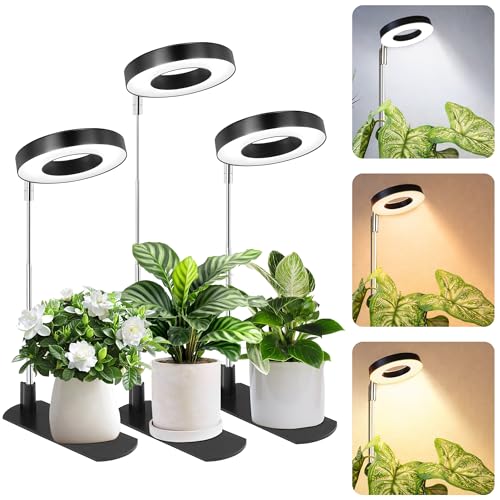
LBW Grow Light for Indoor Plants,Full Spectrum Plant Light with Base,Height Adjustable Plant Grow Lamp with Auto Timer 6/8/12/16H, 3 Colors,5 Dimmable Brightness, for Small Plants,Black, 3 Packs
【Grow Lights for Indoor Plants】LBW grow light is tailored to meet the unique needs of plant lovers, this…
As an affiliate, we earn on qualifying purchases.
As an affiliate, we earn on qualifying purchases.