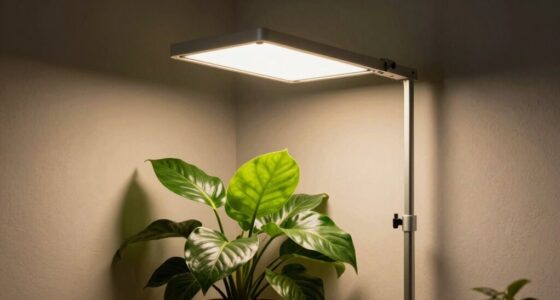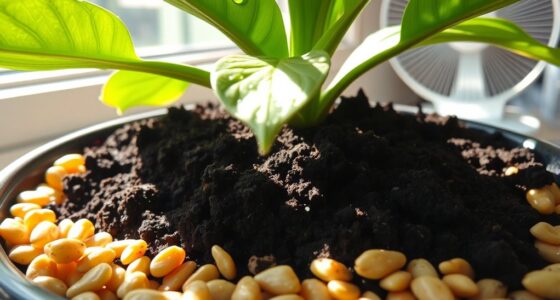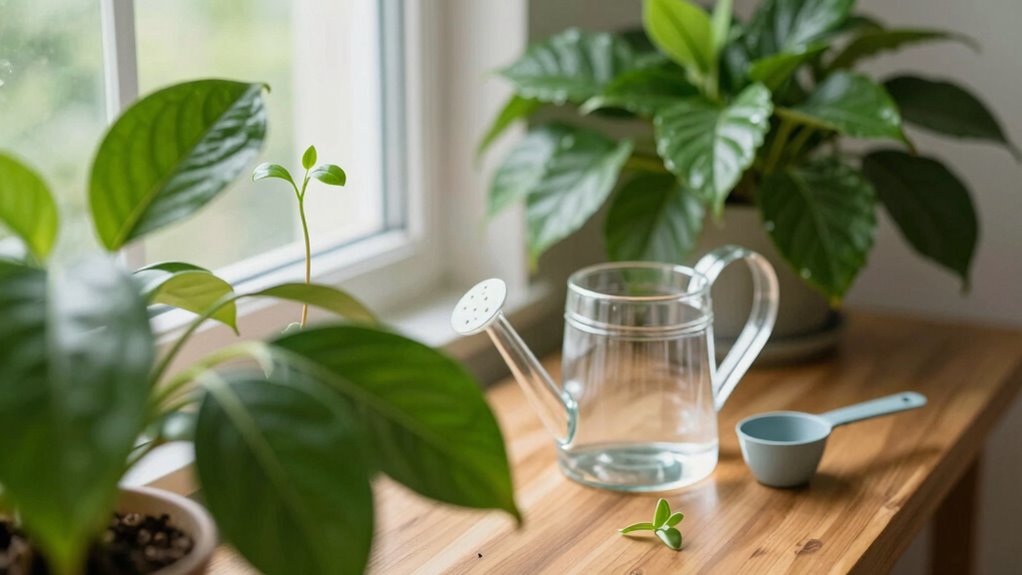

To avoid fertilizer burn on indoor plants, follow the instructions on your fertilizer labels carefully and stick to recommended amounts. Water thoroughly after applying fertilizer to help dilute nutrients and flush out excess salts. Regularly test and adjust your soil’s pH to guarantee ideal nutrient absorption. Also, maintain consistent watering and proper soil drainage to keep plants healthy. If you want to learn more about keeping your plants safe from damage, keep exploring these tips.

Get the little things that make your day delivered free — and shop member deals
- Fast, free delivery on millions of items
- Access to Prime Big Deal Days deals on October 6–7
- Prime Video, Amazon Music and more included
Key Takeaways
- Follow fertilizer instructions carefully and avoid overfeeding indoor plants.
- Water thoroughly after fertilizing to dilute nutrients and prevent buildup.
- Test and adjust soil pH regularly to ensure optimal nutrient absorption.
- Use the correct amount of fertilizer based on plant type and growth stage.
- Maintain proper soil drainage and monitor plants for signs of stress or damage.
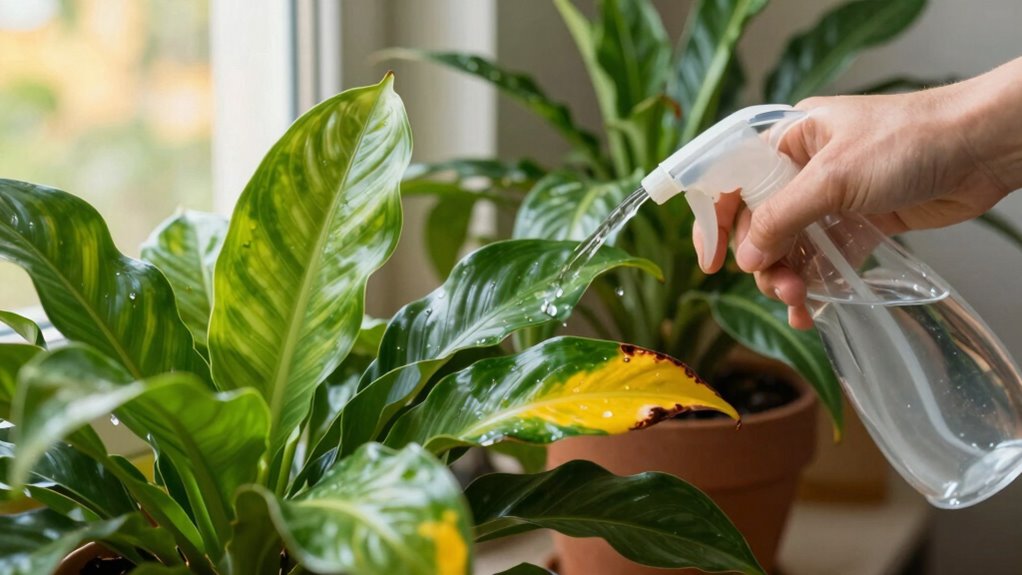
Have you ever noticed your indoor plants developing brown or yellow patches after fertilizing? It’s a common sign that you might be overdoing it or applying fertilizer incorrectly. Fertilizer burn occurs when excess nutrients build up in the soil, damaging roots and leaves. To prevent this, you need to pay close attention to the soil pH, which influences how plants absorb nutrients. If the soil is too acidic or too alkaline, nutrients can become unavailable or toxic, increasing the risk of fertilizer burn. Testing your soil regularly with a simple kit can help you maintain a suitable pH level—generally around 6.0 to 7.0 for most indoor plants. Adjusting soil pH with amendments, like lime or sulfur, ensures your plants can absorb nutrients efficiently and reduces the risk of over-fertilization.
Monitoring soil pH with simple tests helps prevent fertilizer burn and keeps indoor plants healthy.
Another essential aspect is how you apply fertilizer. Always follow the instructions on the label, and avoid the temptation to give your plants more than the recommended amount. Overfeeding doesn’t just waste fertilizer; it can create an environment ripe for problems like fertilizer burn and pest infestation. Pests tend to attack stressed or weakened plants, so keeping your plants healthy by providing balanced nutrients and avoiding excessive fertilization helps in pest prevention. Healthy plants are more resilient against common indoor pests like spider mites or aphids, which often settle on plants weakened by nutrient imbalances. Proper water management also plays a role in preventing fertilizer burn and supporting plant health. Additionally, ensuring consistent watering practices helps maintain the right soil moisture level, which is crucial for nutrient uptake. Soil testing can help you stay informed about your soil’s nutrient levels and pH, making it easier to adjust your care routine accordingly. Incorporating proper fertilization techniques can further minimize the risk of damage caused by overapplication.
Watering properly is equally important. After fertilizing, make sure to water thoroughly to help dilute the nutrients and wash away any excess that might cling to the roots. This step prevents nutrients from accumulating in the soil, which is a primary cause of fertilizer burn. If you notice any signs of distress, like leaf discoloration or spotting, flush the soil with water to rinse away residual fertilizer. Regularly inspecting your plants for pests, especially after fertilization, helps catch infestations early before they can cause further damage. Additionally, understanding the importance of soil pH can help you optimize nutrient availability and prevent issues like fertilizer burn. Maintaining a balanced soil environment by monitoring moisture, pH, and cleanliness creates optimal conditions for healthy plant growth. Keeping your plants in a well-drained environment also reduces the likelihood of root rot and other issues that can contribute to stress and vulnerability to fertilizers.
Finally, maintaining a clean environment around your plants reduces pest problems and promotes overall health. Remove fallen leaves or debris that might harbor pests, and keep the humidity and temperature levels stable. Preventing pests and maintaining the right soil pH are key to avoiding fertilizer burn and ensuring your indoor plants thrive. By paying attention to these details, you’ll give your plants the best chance to grow strong, lush, and vibrant without the risk of fertilizer-related damage.
indoor plant fertilizer tester kit
As an affiliate, we earn on qualifying purchases.
As an affiliate, we earn on qualifying purchases.
Frequently Asked Questions
Can Overwatering Increase the Risk of Fertilizer Burn?
Yes, overwatering can increase the risk of fertilizer burn. When you water too much, it causes root damage and washes away essential nutrients, leading to a nutrient imbalance. This weakens your plant’s ability to absorb nutrients properly, making it more vulnerable to fertilizer burn. To prevent this, make sure you water only when the top inch of soil feels dry, and avoid overdoing it with fertilizer.
What Signs Indicate Fertilizer Burn in Indoor Plants?
Think of your plant like a patient with a fever—signs of fertilizer burn are clear. You might notice leaf tips turning brown or yellow, or edges curling—these are symptoms of root damage caused by excess nutrients. A nutrient deficiency may show as pale or stunted growth. If you see sudden leaf scorch or wilting despite watering, it’s a warning sign that fertilizer burn is harming your plant’s health.
Are Organic Fertilizers Safer Than Synthetic Ones?
Organic fertilizers are generally safer than synthetic ones because they release nutrients slowly and are less likely to cause fertilizer burn. When comparing safety, organic options tend to be more environmentally friendly and have fewer chemical residues, reducing risk to both your plants and indoor air quality. Synthetic fertilizers, while effective, can be more concentrated and increase the chance of overfeeding, so always follow application instructions carefully.
How Often Should I Fertilize My Indoor Plants?
You should fertilize your indoor plants every 4 to 6 weeks during active growth stages, like spring and summer. Adjust fertilizer frequency based on their specific needs and growth cycle; for example, reduce feeding in dormancy or winter months. Over-fertilizing can cause fertilizer burn, so always follow label instructions and dilute fertilizers properly. Monitoring plant health helps you determine if they need more or less nutrients.
Does the Type of Soil Affect Fertilizer Burn Risk?
Yes, the type of soil considerably impacts fertilizer burn risk. Soil composition affects nutrient availability; sandy soils drain quickly and may need more frequent feeding, while clay soils retain nutrients longer, risking overfeeding. Understanding your soil helps you adjust fertilizer amounts properly, preventing excess nutrients from causing fertilizer burn. Use well-draining, balanced soil mixes to optimize nutrient availability and reduce the chances of damaging your indoor plants.
pH soil test kit for indoor plants
As an affiliate, we earn on qualifying purchases.
As an affiliate, we earn on qualifying purchases.
Conclusion
By following these simple tips, you’ll find that avoiding fertilizer burn becomes almost second nature—like your indoor plants seem to thrive just as you’re learning to care for them. Remember, over-fertilizing often coincides with overwatering, so keep an eye on both. When you’re gentle with your plants and attentive to their needs, you’ll notice fewer issues and more lush, healthy growth. Sometimes, it’s the smallest adjustments that make the biggest difference.
indoor plant fertilizer with balanced nutrients
As an affiliate, we earn on qualifying purchases.
As an affiliate, we earn on qualifying purchases.
As an affiliate, we earn on qualifying purchases.
NFL season / tailgating Picks
team gear
As an affiliate, we earn on qualifying purchases.