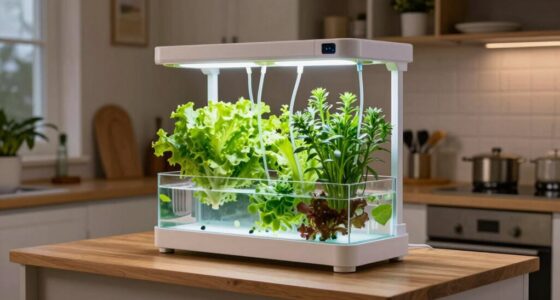
Maintaining high oxygen levels in your hydroponic root zone is essential for healthy plant growth, nutrient uptake, and disease prevention. Oxygen supports root respiration, helping roots absorb nutrients efficiently and stay strong. You can increase oxygenation by using air stones, diffusers, or circulating the nutrient solution. Proper aeration creates a vibrant root environment that boosts plant resilience and growth. To discover more about optimizing aeration techniques, keep exploring the science behind root zone oxygenation.
Key Takeaways
- Adequate oxygen levels in the root zone are essential for healthy root respiration and nutrient uptake.
- Aeration methods like air stones increase oxygen diffusion by creating tiny bubbles, enhancing root zone oxygenation.
- Proper oxygenation prevents root diseases such as rot and supports overall plant vitality in hydroponic systems.
- Circulating nutrient solutions and maximizing oxygen transfer optimize oxygen availability for roots.
- Maintaining optimal oxygen levels promotes stronger, faster-growing, and more resilient hydroponic plants.

Have you ever wondered how to boost plant health and growth? One crucial factor often overlooked is the oxygen level in the root zone. When roots don’t get enough oxygen, their ability to perform essential functions diminishes, leading to poor growth and increased susceptibility to diseases. To prevent this, understanding the science behind root zone oxygenation becomes vital, especially in hydroponic systems where soil isn’t present to naturally supply oxygen.
Enhance plant growth by optimizing oxygen levels in the root zone, especially in hydroponic systems.
Oxygen diffusion plays a central role here. It’s the process by which oxygen molecules move from the surrounding environment into the root zone, enabling roots to breathe. In hydroponics, ensuring efficient oxygen diffusion means designing systems that promote constant and ample oxygen availability. This can involve aerating the nutrient solution or employing air stones that create tiny bubbles, increasing the surface area for oxygen transfer. The more effectively oxygen diffuses into the root environment, the better the roots can access the oxygen they need for optimal function.
Root respiration is another key aspect closely tied to oxygen availability. Similar to how you breathe to energize your body, roots respire to generate the energy necessary for nutrient uptake, growth, and repair. Without sufficient oxygen, root respiration slows down or becomes inefficient, which hampers the plant’s overall vitality. When roots respire properly, they can absorb nutrients more effectively and support healthy development. Conversely, oxygen-deprived roots often become weak or begin to decay, leading to problems like root rot or stunted growth.
In hydroponic systems, maintaining proper root zone oxygenation directly influences root respiration rates. If the oxygen levels drop, roots switch to less efficient, anaerobic processes, which produce harmful byproducts and weaken the plant. To prevent this, you need to ensure that oxygen diffusion is maximized through proper aeration techniques, such as using diffusers or increasing circulation in the nutrient solution. This keeps the root environment oxygen-rich, supporting healthy root respiration and overall plant vigor.
Ultimately, providing an oxygen-rich environment in the root zone isn’t just about keeping roots alive — it’s about enabling them to function at their best. When oxygen diffusion is optimized, and root respiration is supported, your plants will grow stronger, faster, and more resilient. This understanding underscores the importance of active aeration practices in hydroponic systems, making sure your plants get the oxygen they need to thrive.

Rosy Soil Aroid Soil Potting Mix - Peat-Free, Microbially Active Biochar Powered Soil for Aroids - Superior Aeration & Drainage for Aroid Plants - Ideal for Indoor Gardening - 4 Quarts
Ideal for Aroid Plants: Formulated specifically for aroids like Monstera, Alocasia, and Philodendron; offers excellent aeration and drainage...
As an affiliate, we earn on qualifying purchases.
Frequently Asked Questions
How Does Aeration Impact Nutrient Absorption Efficiency?
Aeration substantially impacts nutrient absorption efficiency by increasing oxygen levels in your hydroponic system. When oxygen levels are high, your roots can absorb nutrients more effectively, promoting healthy growth. Proper aeration prevents root rot and hypoxia, ensuring your plants’ nutrient uptake stays ideal. You’ll notice faster growth and stronger plants because adequate oxygen directly supports the metabolic processes involved in nutrient absorption. Keeping oxygen levels balanced is key to thriving hydroponic crops.
What Are the Best Aeration Methods for Large-Scale Hydroponic Systems?
You’re asking about the best aeration methods for large-scale hydroponic systems. Think of it as giving roots a breath of fresh air. Use high-capacity aeration equipment like large diffusers and air pumps to maximize oxygen diffusion. These tools ensure even oxygen distribution and prevent dead zones. Incorporating efficient aeration equipment keeps nutrient uptake ideal, supporting healthy growth across extensive setups. It’s the key to keeping your system thriving.
Can Excessive Oxygenation Harm Plant Roots?
Excessive oxygenation can harm your plant roots by causing root damage, especially if oxygen levels become too high. While oxygen is essential, oxygen toxicity can occur when roots are exposed to overly saturated environments, leading to potential stress or damage. To avoid this, monitor oxygen levels carefully and guarantee aeration is balanced, so you promote healthy root growth without risking oxygen toxicity or root damage.
How Does Root Zone Oxygenation Influence Disease Resistance?
Think of your roots as frontline soldiers; when well-oxygenated, they become immune shields. Proper root zone oxygenation directly boosts your plants’ disease resistance by preventing oxygen deficiency, which root zone pathogens thrive on. By maintaining ideal oxygen levels, you weaken these pathogens and create a hostile environment for disease development, ensuring healthier roots and stronger plants overall. Oxygen-rich roots are your best defense against disease invasion.
What Role Does Temperature Play in Oxygen Solubility During Aeration?
You should know that temperature effects critically impact oxygen solubility in water. As temperature rises, oxygen solubility decreases, making it harder for plants to access dissolved oxygen. Conversely, cooler water holds more oxygen, enhancing aeration efficiency. So, maintaining ideal temperature levels is essential for ensuring adequate oxygen availability in hydroponic systems, which supports healthy root development and overall plant growth.
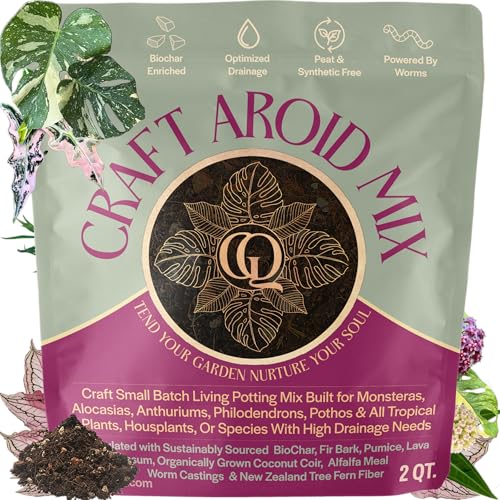
Craft Aroid Potting Mix- Elite Organic Alocasia, Philodendron, Monstera Soil Mix, Chunky, Well Draining Potting Soil for Indoor Plants, All Tropical Plants & Houseplants, Perlite & Peat Free 2QT
NUTRIENT RICH & PLANT FOOD COMPATIBLE: Our tropical plant soil is full of living beneficial microbes. Enriched with...
As an affiliate, we earn on qualifying purchases.
Conclusion
By ensuring proper root zone oxygenation, you can substantially boost your hydroponic yields. Imagine a grower who increased their spinach harvest by 20% just by upgrading their aeration system—roots stayed healthier, and plants thrived. Don’t overlook the power of oxygen; it’s the secret to vibrant, productive plants. Take the time to optimize your aeration setup, and watch your crops flourish like never before. Oxygen truly is the root of successful hydroponics.

Miracle-Gro Organic Indoor Potting Mix - Protects Against Over and Under Watering, Planting Soil for Indoor Container Plants, Houseplants and Starter Plants, OMRI Listed, 16 qt.
HELPS REGULATE SOIL MOISTURE: Miracle-Gro Organic Indoor Potting Soil Mix is an organic potting soil that protects indoor...
As an affiliate, we earn on qualifying purchases.

KUTE NEST 7.7"H x 22"D Premium Rondo Round Bowl Fiberstone Planter for Succulent and Lotus with Drainage Hole, Smooth Finishes, Weather Resistant, Included 2 Extra Coco Mats (Taupe, 19.9" Pot Opening)
𝐏𝐑𝐄𝐌𝐈𝐔𝐌 𝐅𝐈𝐁𝐄𝐑𝐒𝐓𝐎𝐍𝐄 𝐏𝐋𝐀𝐍𝐓𝐄𝐑 𝐖𝐈𝐓𝐇 𝟐 𝐄𝐗𝐓𝐑𝐀 𝐂𝐎𝐂𝐎 𝐌𝐀𝐓𝐒: Elevate your space with a premium large round planter crafted...
As an affiliate, we earn on qualifying purchases.