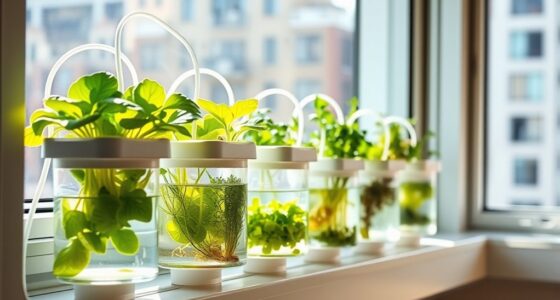
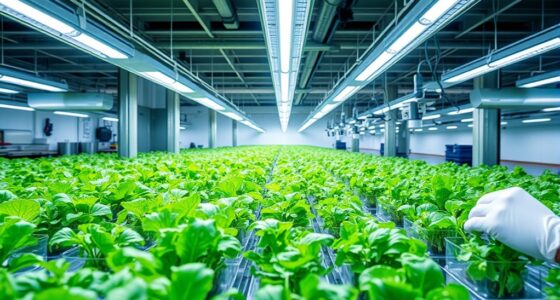
To manage algae growth in your hydroponic reservoirs, combine UV sterilization with proper nutrient control and light management. Use opaque covers or block sunlight, regularly test and adjust nutrient levels, and prevent stagnation through consistent water circulation. Mechanical barriers like fine filters help keep spores out, while routine cleaning removes debris and early algae. Implementing these strategies together creates an environment that’s tough for algae to thrive—continue exploring for more effective tips.
Key Takeaways
- Implement UV sterilization to continuously kill algae spores and prevent proliferation without chemicals.
- Control nutrient levels, especially nitrogen and phosphorus, to avoid over-fertilization that fuels algae growth.
- Limit light exposure by covering reservoirs with opaque materials to reduce photosynthesis-driven algae development.
- Use fine mesh filters and perform regular cleaning to prevent algae spores and debris from entering and stagnating in the system.
- Maintain proper water circulation and hygiene practices to create unfavorable conditions for algae establishment.
Algae growth in hydroponic reservoirs can quickly become a problem if left unchecked, competing with your plants for nutrients and oxygen. When algae take hold, they can cloud your water, clog filters, and reduce overall system efficiency. To keep algae at bay, you need a combination of strategies that target its growth at the source. One of the most effective measures is UV sterilization. Installing a UV sterilizer in your hydroponic setup exposes water to ultraviolet light, killing algae spores and preventing their proliferation. This method is chemical-free, environmentally friendly, and offers continuous protection without adding any substances that could harm your plants or alter water chemistry.
Alongside UV sterilization, nutrient management plays a vital role in algae control. Algae thrive when nutrients like nitrogen and phosphorus are abundant, so maintaining ideal nutrient levels is essential. Avoid over-fertilizing, which supplies excess nutrients that algae can easily exploit. Regularly testing your water helps you keep nutrient concentrations within the perfect range for your plants, minimizing the risk of nutrient imbalances that promote algae growth. Additionally, guarantee that nutrients are evenly distributed and not left to settle in certain areas, which can create hotspots for algae development.
Maintaining proper nutrient levels and avoiding over-fertilization prevents algae growth in hydroponic systems.
Proper light management also supports these efforts. Limit light exposure to your reservoir water by covering tanks or using opaque materials. Sunlight or strong artificial light penetrating the reservoir encourages algae photosynthesis, accelerating growth. Keeping the reservoir in a shaded or dark environment reduces this risk considerably. Coupling this with UV sterilization creates a double layer of protection, making it much harder for algae to establish itself.
Mechanical barriers can further assist in algae control. Using fine mesh or filters at intake points prevents algae spores from entering the system. Regular cleaning of your reservoir and associated equipment removes any algae that may have started to grow. Preventative maintenance is key—stagnant water and debris provide breeding grounds for algae, so keeping the system clean and moving water prevents these conditions.
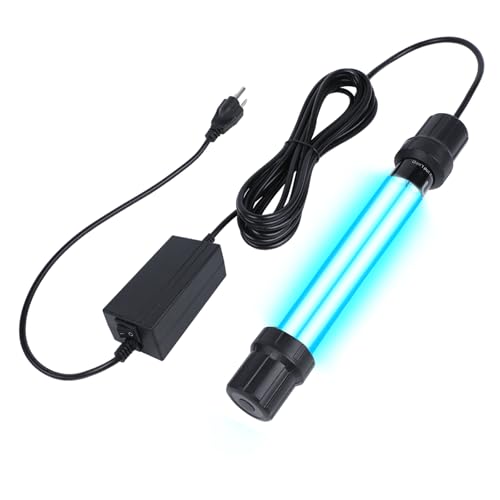
Ayamaxon 20W UV Submersible Sterilizer Light for Aquarium, Pond, Cold Plunge, Pool, Hot Tub – Ozone-Free UV-C Water Filter Lamp with Quartz Glass, Weighted Gravity Block
Dual-Tube Design for Stable Performance: Featuring an upgraded dual-tube UV-C system, this Ayamaxon sterilizer delivers consistent, powerful UV…
As an affiliate, we earn on qualifying purchases.
As an affiliate, we earn on qualifying purchases.
Frequently Asked Questions
What Are the Signs of Excessive Algae Growth?
You’ll notice algae detection through a green, slimy film on your reservoir’s surface or sides. Excessive algae growth often causes cloudy water, foul odors, and clogged filters. Regular reservoir maintenance helps prevent it, but watch for sudden color changes or a fuzzy appearance. If you see these signs, act quickly to remove algae and clean your system, ensuring healthy plant growth and preventing further contamination.
How Often Should Reservoir Cleaning Be Performed?
You should clean your reservoir at least once every two weeks to maintain essential conditions. Regular reservoir maintenance is vital for algae prevention, as neglect can lead to rapid algae growth—sometimes within just a few days. Did you know that algae can double in size every 24 hours? Staying on top of cleaning helps keep your hydroponic system healthy and prevents algae from taking over, ensuring your plants thrive.
Are There Natural Algae Control Methods?
Yes, there are natural algae control methods you can try. Biological control involves introducing beneficial organisms that feed on algae, helping keep growth in check. Nutrient management is also key; by reducing excess nutrients, you limit algae’s food source. Regularly maintaining your reservoir, ensuring proper lighting, and using natural predators or algae-eating species can help prevent algae buildup without harsh chemicals, keeping your hydroponic system healthy and productive.
Can Algae Growth Harm Plant Health?
Algae growth can be like a sneaky thief, silently harming your plants. It impacts plant health by competing for nutrients and oxygen, which can stunt growth and cause disease. Algae impact also risks reservoir contamination, making your water less safe for plants. If unchecked, algae could jeopardize your entire hydroponic system’s success, so managing it promptly is key to keeping your plants thriving and your reservoir clean.
What Are Effective Chemical Treatments for Algae?
You can use algae inhibitors like copper-based chemicals or hydrogen peroxide to control algae growth. Chemical dosing is effective when you follow the recommended amounts carefully, ensuring you don’t harm your plants. Regular monitoring helps you adjust the treatment as needed. Always read labels and apply treatments in the early stages of algae development for the best results. Proper chemical management keeps your hydroponic system clean and healthy.

HORTIPOTS Pump Barrier Bag Small Filter Protector, Trapezoid-Shaped Fine Mesh with Inner Filter 9 x 7 inch for Indoor Aquariums, Aquaponic, and Hydroponic Systems
Indoor Pump Insert Filter Bag protects your water pump from vegetation, debris or nutrient sediments in flood &…
As an affiliate, we earn on qualifying purchases.
As an affiliate, we earn on qualifying purchases.
Conclusion
Just as Pandora’s box once unleashed chaos, neglecting algae control can turn your hydroponic reservoir into a tangled mess. By staying vigilant and implementing consistent management strategies, you keep the balance, preventing algae from overtaking your system. Remember, the health of your plants depends on your active stewardship—like a careful gardener tending to delicate blooms, you must nurture your reservoir’s clarity and importance. Stay attentive, and your hydroponic garden will flourish, free from the shadows of unchecked algae.

hdroor 25 Pack Square Plant Spacer Kit for Hydroponic Growing System, Hydroponics Cover Lid Accessories for Indoor Garden Spacer Caps, Compatible with Idoo,QYO,LYKO and Most Square Seed Pods, Black
⭐【High-Quality】The square plant spacer kit is made of ABS plastics,which is sturdy,reusable,safe and non-toxic.You can use it to…
As an affiliate, we earn on qualifying purchases.
As an affiliate, we earn on qualifying purchases.
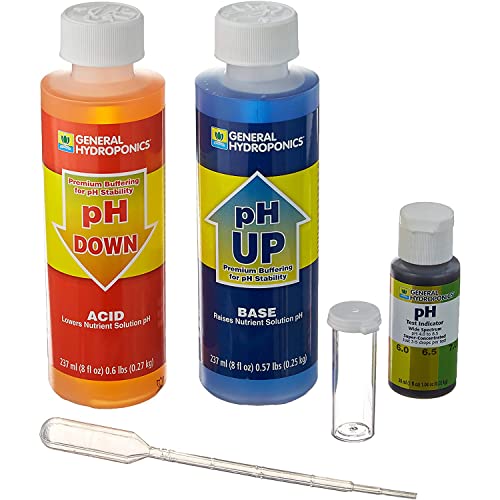
General Hydroponics Ph Control Kit
General Hydroponics pH Control Kit contains everything you need to measure pH levels of your hydroponic grow reservoirs
As an affiliate, we earn on qualifying purchases.
As an affiliate, we earn on qualifying purchases.