Growing strawberries hydroponically is harder than herbs because they need precise nutrient control and stable environmental conditions. You have to monitor and adjust nutrients carefully, especially nitrogen, phosphorus, and potassium, to avoid growth issues. Plus, strawberries are more vulnerable to pests and diseases, especially in humid setups, which require vigilant pest management. They also demand consistent temperature and moisture levels, making maintenance more demanding. Keep going, and you’ll discover more tips for overcoming these challenges.
Key Takeaways
- Strawberries require precise nutrient management, especially nitrogen, phosphorus, and potassium, making nutrient delivery more complex than herbs.
- They are highly susceptible to pests and diseases, especially in humid hydroponic environments, demanding vigilant monitoring and control.
- Strawberries need stable environmental conditions; fluctuations in moisture and temperature cause stress and impair growth.
- Their sensitivity to environmental changes increases the difficulty of maintaining optimal growing conditions compared to herbs.
- More intensive management, including regular nutrient adjustments and pest control, is necessary for healthy strawberry growth.

Hydroponic gardening offers an efficient way to grow a variety of crops, but when choosing between strawberries and herbs, you’ll find each has unique advantages. Strawberries tend to be more challenging because they require careful attention to root nutrient absorption. Their roots are sensitive to nutrient imbalances, which can stunt growth or cause fruit deformities. Unlike herbs, which often thrive in a broader range of nutrient levels, strawberries depend heavily on precise nutrient delivery. You need to monitor and adjust the nutrient solution regularly to guarantee their roots receive the right balance of nitrogen, phosphorus, and potassium. If the roots don’t absorb nutrients properly, the entire plant can suffer, leading to poor fruit production and increased vulnerability to pests.
In addition to nutrient management, pest management strategies become more critical with strawberries. They are more susceptible to pests like spider mites, aphids, and fungal diseases, especially when grown in a humid environment typical of hydroponic systems. You can’t just rely on natural pest resistance as you might with some herbs; instead, you must implement vigilant pest control measures. Regular inspection, introducing beneficial insects, or applying organic treatments are necessary to keep pests at bay without harming the plants or contaminating the fruit. The dense foliage of strawberries also makes them harder to inspect thoroughly, increasing the risk of unnoticed pest infestations. Proper pest control can help mitigate these issues and protect your crop.
Compared to herbs, strawberries demand a more stable environment. They prefer consistent moisture levels and temperature conditions, which can be tricky to maintain in a hydroponic setup. Fluctuations in environment or nutrient supply can cause stress, making roots less efficient at nutrient absorption and weakening the plant’s overall health. This added sensitivity makes strawberries more labor-intensive to grow successfully. Additionally, understanding the importance of nutrient balance can significantly impact the success of growing strawberries hydroponically. Maintaining the right environmental conditions is vital for preventing stress and ensuring healthy growth, which is generally easier to achieve with herbs. Proper environmental control and monitoring are essential to prevent plant stress, which can hinder nutrient uptake and overall vitality.

VIVOSUN Digital pH and TDS Meter Kits, 0.01pH High Accuracy Pen Type pH Meter ± 2% Readout Accuracy 3-in-1 TDS EC Temperature Meter for Hydroponics, Pool and Aquarium, Yellow Blue, UL Certified
Application: Great for all home and laboratory TDS & pH testing applications including aquariums, swimming pools
As an affiliate, we earn on qualifying purchases.
As an affiliate, we earn on qualifying purchases.
Frequently Asked Questions
How Do Strawberry Nutrient Needs Differ From Herbs?
You’ll find that strawberries need a higher nutrient concentration, especially for potassium and phosphorus, compared to herbs. They also require a carefully maintained pH balance around 5.5 to 6.5, while herbs often thrive in slightly wider ranges. You must monitor and adjust these factors regularly, as strawberries are more sensitive to pH fluctuations and nutrient deficiencies, making their care a bit more demanding than herbs in hydroponic systems.
What Pests Specifically Target Strawberries in Hydroponic Systems?
Strawberries in hydroponic systems face pests like spider mites, aphids, and whiteflies, which are as persistent as weeds. You can combat these with pest-resistant varieties and organic pest control methods, like neem oil or insecticidal soaps. Regular monitoring helps catch infestations early, making it easier to safeguard your strawberries. Staying vigilant ensures your crop stays healthy and productive, just like tending a delicate garden.
Can Strawberries Be Grown Year-Round Hydroponically?
Yes, you can grow strawberries year-round hydroponically. To guarantee successful strawberry pollination, you might need to manually assist or introduce pollinators like bees into your setup. Unlike herbs, strawberries require specific conditions, like proper temperature and humidity, to thrive. Their compatibility with herbs varies, so choose herbs that don’t compete for resources. Maintaining ideal environmental controls will help you enjoy fresh strawberries throughout the year.
Do Strawberries Require Different Lighting Than Herbs?
Like a gardener’s secret, strawberries need different lighting than herbs to thrive in hydroponics. You should provide strawberries with full-spectrum or slightly increased red light, mimicking their natural sunlight needs, especially during flowering and pollination. Herbs, on the other hand, often thrive under more consistent, moderate light. Incorporating herb companion planting can help optimize strawberry pollination and plant health, making your hydroponic garden more productive and resilient.
How Does the Root Structure Influence Strawberry Cultivation?
Your strawberry plants have a deeper root depth compared to herbs, which affects their growth in hydroponics. The extensive root system requires more space and proper root anchorage to stay stable. If you don’t provide adequate room and support, the roots can become congested, limiting nutrient uptake. Ensuring sufficient root depth and strong root anchorage helps strawberries develop healthily, leading to better fruit production and plant stability in your hydroponic system.

Earth's Ally 3-in-1 Plant Spray for Pests and Disease – Organic Insecticide, Fungicide and Spider Mite Control – OMRI Listed Indoor Outdoor Garden Spray – Safe for Pollinators, Kids and Pets – 32 oz
READY-TO-USE NATURAL SOLUTION – Earth's Ally 3 in 1 Plant Spray is a multi-purpose pest and fungus spray…
As an affiliate, we earn on qualifying purchases.
As an affiliate, we earn on qualifying purchases.
Conclusion
You might think strawberries are just bigger herbs, but their root systems and growth needs prove otherwise. Research suggests that strawberries’ complex root structures and fruiting cycles make them more challenging to cultivate hydroponically. While some believe strawberries are simply more delicate, studies indicate their unique biological demands truly set them apart. So, it’s not just size or appearance—it’s their intricate biology that makes strawberries harder to grow than herbs in a hydroponic system.
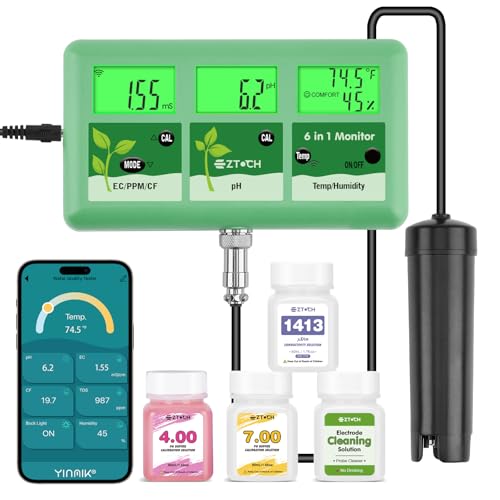
EZTOCH pH EC Continuous Monitor for Hydroponic, 6 in 1 WiFi EC PPM CF pH Meter, Digital pH TDS Temp Humidity Conductivity Monitor for DWC Hydroponic System, Aeroponic Gardening, Aquaponic
6-IN-1 Smart Continuous Monitoring: The EZTOCH pH EC hydroponic monitor lets you say goodbye to complicated multi-device monitoring….
As an affiliate, we earn on qualifying purchases.
As an affiliate, we earn on qualifying purchases.

12-Pod Strawberry Seed Kit Compatible with All Hydroponics, 2 Pack Varieties: Big Fruited Red & White Alpine Strawberry – Universal Seed Starter Pods, Easy to Grow, High Germination
🌱 HIGH GERMINATION SEEDS: Premium quality seeds with high germination rate for fast and reliable growth, ensuring safe…
As an affiliate, we earn on qualifying purchases.
As an affiliate, we earn on qualifying purchases.