Biofilms in reservoirs can act as both friends and foes. They naturally improve water quality by breaking down organic matter and supporting aquatic ecosystems. However, they can also cause blockages, harbor harmful bacteria, and damage infrastructure. Managing biofilms carefully helps you benefit from their ecological roles while minimizing health risks and maintenance issues. Curious about how to balance these effects effectively? Keep exploring to uncover strategies for working with biofilms instead of against them.
Key Takeaways
- Biofilms support water quality and ecosystem health by trapping organic matter and providing habitats.
- They pose risks by harboring pathogens, causing blockages, and promoting infrastructure corrosion.
- Proper management balances ecological benefits with health and maintenance concerns.
- Complete eradication is impractical; monitoring and control optimize their positive roles.
- Understanding biofilms’ complex functions helps determine when they act as friends or foes in reservoirs.
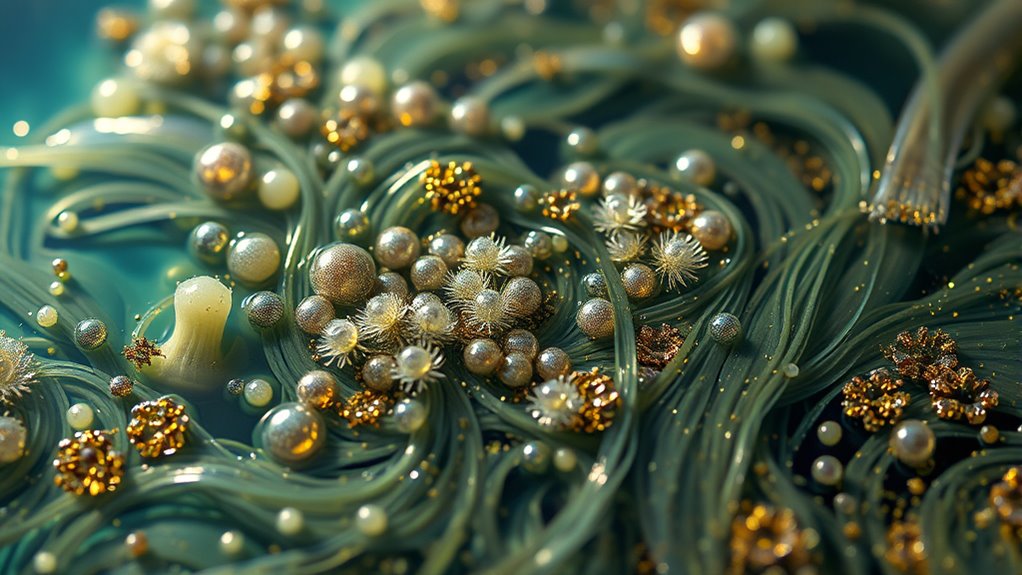
Have you ever wondered how tiny communities called biofilms form inside reservoirs? These slimy, glue-like layers develop on surfaces submerged in water, creating complex ecosystems that can be both beneficial and problematic. Biofilms are composed of bacteria, algae, fungi, and other microorganisms that stick to surfaces through sticky substances they produce. When conditions are right—warm temperatures, nutrients, and stagnant or slow-moving water—these microorganisms settle and begin to grow, forming dense, protective mats. They can appear on the walls of pipes, rocks, or any submerged structure, gradually building up over time.
In reservoirs, biofilms play a *vital* role in the ecosystem. They act as natural filters, trapping and breaking down organic matter, which helps improve water quality. These microbial communities can also support the broader aquatic environment by providing food sources for other organisms. In some cases, biofilms contribute to the stability of sediment and help prevent erosion. When managed properly, they can be a natural part of a healthy aquatic system, aiding in the purification process and fostering biodiversity within the reservoir. Additionally, advances in automation have improved methods for monitoring and controlling biofilm growth effectively.
However, biofilms can also be a significant challenge for water management. Their sticky nature makes them difficult to remove once established, often leading to blockages in pipes and filters. They can harbor pathogenic bacteria, which pose health risks to humans and animals relying on the reservoir for drinking water. These microbes can resist disinfectants like chlorine, making it harder to keep water safe. Additionally, biofilms promote corrosion of infrastructure, damaging pipes, pumps, and valves, which increases maintenance costs and risks of system failure. This duality means they are not simply a nuisance but a complex issue requiring careful balance.
Controlling biofilms involves strategies like regular cleaning, chemical treatments, and physical removal methods. Sometimes, introducing specific bacteria that outcompete harmful species can help manage their growth. Yet, completely eradicating biofilms isn’t feasible or desirable, since they hold ecological benefits. Instead, the goal is to monitor their development and control their growth to prevent health hazards and infrastructure damage. Understanding the delicate balance between their ecological functions and risks is key to managing biofilms effectively. Whether they’re considered friends or foes depends on how well you can harness their benefits while mitigating their dangers, making them a fascinating and complex aspect of reservoir management.

Gardyn Studio 1 Vertical Hydroponics Growing System Kit - 16 Non-GMO Plants, Herbs, Vegetables - Tower Garden - Hydroponic Herb Garden Planter Indoor Kit - Indoor Gardening System with LED Grow Lights
COMPACT HYDROPONIC SYSTEM: The Gardyn Studio 1 hydroponics growing system kit grows 16 full-sized indoor plants in only...
As an affiliate, we earn on qualifying purchases.
Frequently Asked Questions
How Do Biofilms Form in Reservoir Environments?
You can see biofilms form in reservoirs when bacteria and other microbes attach to surfaces like rocks or pipes. They secrete slimy substances that help them stick and protect themselves. Over time, these microbes multiply and develop complex communities. Factors like nutrient availability, flow rates, and surface types influence biofilm growth, making reservoirs a perfect environment for these microbial layers to develop and persist.
Can Biofilms Be Completely Eradicated From Reservoirs?
No, you can’t completely eradicate biofilms from reservoirs. They’re tough to eliminate because they adhere strongly to surfaces and can rapidly regenerate. While you can reduce their presence through chemical treatments, physical removal, or biocides, some biofilm remnants often remain. Continuous monitoring and maintenance are necessary to manage their growth effectively. Complete eradication usually isn’t practical, but control strategies can minimize their impact on water quality.
What Environmental Factors Influence Biofilm Development?
You should know that temperature, nutrient availability, flow rate, and pH considerably influence biofilm development. Warmer temperatures promote growth, while abundant nutrients provide energy for bacteria. Slow flow rates allow biofilms to establish, whereas high flow can limit their formation. Additionally, pH levels outside the ideal range can inhibit or encourage biofilm growth. By managing these factors, you can control biofilm development in reservoirs effectively.
Are Biofilms Resistant to Standard Water Treatment Processes?
You might be surprised to learn that biofilms are often resistant to standard water treatments. When you think about it, their protective matrix shields bacteria from disinfectants like chlorine, making removal challenging. This means that even after treatment, some biofilms can persist, potentially harboring harmful microbes. So, if you’re responsible for water quality, understanding biofilm resilience is key to improving purification processes and ensuring safe drinking water.
How Do Biofilms Impact the Safety of Drinking Water?
Biofilms can compromise your drinking water safety by harboring harmful bacteria and pathogens, making disinfection less effective. They protect microbes from chlorine and other treatments, allowing contaminants to persist and potentially cause illness. Regular monitoring and advanced treatment methods are essential to control biofilm growth. You should stay vigilant about water quality reports and consider additional filtration systems to reduce health risks associated with biofilm-related contamination.

VEVOR Hydroponic Growing System, 30 Pods Vertical 6 Tiers Hydroponic Tower, Home Hydronic Garden with Water Pump & Timer, Water Circulation Plants Germination Kit for Indoor Herbs Fruits & Vegetables
Space-Saving, Efficient Growing: Featuring a 6-tier vertical design with 30 planting pods, this hydroponic tower measures just 13.78...
As an affiliate, we earn on qualifying purchases.
Conclusion
So, think of biofilms in reservoirs as both allies and enemies. They protect beneficial microorganisms, supporting water quality, but can also harbor harmful pathogens and clog systems. It’s like a double-edged sword—helpful or hazardous, depending on how you manage them. By understanding their true nature, you can better control their effects. Ultimately, biofilms aren’t just foes or friends; they’re complex, and your approach determines whether they serve your needs or cause problems.

DPROOTS Hydroponic Tower Growing System,45 Pods Vertical Garden,Suitable for Indoor and Greenhouse, Grow Herbs and Vegetables,Houseplant Farming with Water Circulation and Automatic Timer
Growing 45 Plants: This hydroponic system is 45" tall and occupies only 1 square foot, but it can...
As an affiliate, we earn on qualifying purchases.

Gardyn Home 4 Vertical Hydroponics Growing System Kit - 30 Non-GMO Plants, Herbs, Vegetables - Smart Tower Garden Hydroponic Herb Garden Planter Indoor Kit - Indoor Gardening System w/LED Grow Lights
NEXT-GENERATION HYDROPONIC SYSTEM: The Gardyn Home 4 is a cutting-edge hydroponics growing system kit designed to grow 30...
As an affiliate, we earn on qualifying purchases.