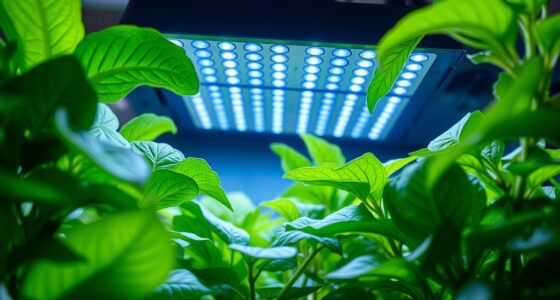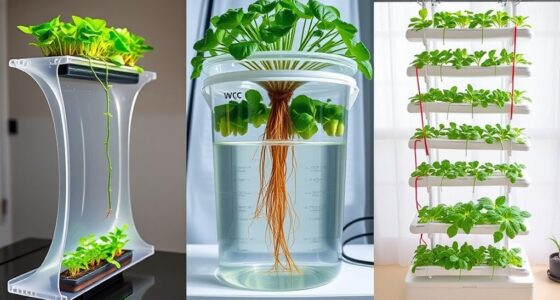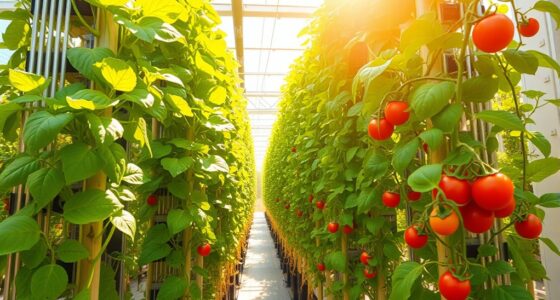
Avoid neglecting pH balance, as it’s essential for nutrient absorption and plant health; regularly check and adjust it within the ideal 5.5–6.5 range. Don’t forget to monitor nutrient levels daily, since imbalances can cause deficiencies or lockout. Keep your system clean and maintain water quality to prevent microbial buildup and pH fluctuations. Many beginners struggle with these issues, but understanding proper maintenance will help your plants thrive—exploring these tips can make all the difference.

Get the little things that make your day delivered free — and shop member deals
- Fast, free delivery on millions of items
- Access to Prime Big Deal Days deals on October 6–7
- Prime Video, Amazon Music and more included
Key Takeaways
- Neglecting regular pH testing and adjustments, leading to nutrient lockout and poor plant growth.
- Using unfiltered or contaminated water, causing pH instability and nutrient deficiencies.
- Failing to clean and maintain the system, resulting in algae, clogs, and microbial issues.
- Overfeeding or underfeeding nutrients, disrupting pH and nutrient availability.
- Ignoring system monitoring and maintenance, which can cause imbalances and reduce yields.

Getting started with hydroponics can be exciting, but beginners often make mistakes that hinder their success. One of the most common issues is ignoring the importance of maintaining proper pH levels. When your nutrient solution’s pH becomes imbalanced, it can lead to nutrient lockout, where plants can’t absorb essential minerals. This happens because each nutrient has a preferred pH range, typically between 5.5 and 6.5 for most hydroponic systems. If you don’t regularly check and adjust the pH, your plants may show signs of deficiencies despite having plenty of nutrients in the solution. Over time, even minor pH fluctuations can cause significant problems, so staying vigilant is vital. Invest in a reliable pH meter and learn how to calibrate it properly. Adjustments should be made gradually to avoid shocking your plants.
Another mistake related to pH imbalance is neglecting to monitor nutrient concentrations. When the pH drifts out of the ideal range, nutrients become less available, leading to nutrient lockout. Nutrient lockout prevents plants from absorbing essential elements like nitrogen, phosphorus, and potassium, which stunts growth and can cause issues like yellowing leaves or poor fruit development. To prevent this, test your nutrient solution frequently—ideally daily during the early stages of growth—and make adjustments as needed. Remember, a balanced pH ensures your plants can access the nutrients they need to thrive.
Neglecting nutrient concentration monitoring leads to pH imbalance and nutrient lockout, hindering plant growth and development.
Many beginners also overlook the importance of proper system maintenance. Failing to clean your hydroponic setup regularly can lead to algae growth, clogs, and bacterial buildup, all of which can disrupt nutrient absorption and plant health. Regularly flush your system to remove any residues and check for blockages in pumps or tubing. Keeping everything clean helps maintain steady pH levels and prevents nutrient lockout caused by microbial interference. Additionally, understanding how air purification technologies can improve indoor air quality can help create a healthier environment for both plants and growers.
Finally, don’t ignore the importance of water quality. Tap water with high levels of chlorine, chloramine, or minerals can affect pH stability and nutrient availability. Using filtered or dechlorinated water can help maintain a consistent environment for your plants. Additionally, always use high-quality nutrients and follow the manufacturer’s instructions carefully. Overfeeding or underfeeding can also upset your pH balance and lead to nutrient lockout, so measure your solutions accurately.
As an affiliate, we earn on qualifying purchases.
Frequently Asked Questions
Can Hydroponic Systems Be Used Outdoors Year-Round?
Yes, you can use hydroponic systems outdoors year-round, but you need to take into account your outdoor climate. Extreme temperatures, wind, and rain can affect your system’s efficiency. You’ll also need to manage pests effectively, as outdoor setups are more exposed. Protect your plants with covers or shields, and monitor the weather closely. Proper pest management and climate considerations will ensure your hydroponic garden thrives year-round outside.
What Is the Ideal Ph Level for All Crops?
You should aim for a pH level between 5.5 and 6.5 for most crops. Proper pH balancing is essential for ideal nutrient management, ensuring your plants absorb nutrients effectively. Regularly test your hydroponic solution and adjust the pH as needed to maintain this range. This helps prevent deficiencies or toxicities, promoting healthy growth and maximizing your crop yields.
How Often Should Nutrients Be Added to the System?
You should add nutrients to your hydroponic system on a consistent schedule, typically every one to two weeks, but always keep an eye on your plants’ needs. Think of your nutrient schedule as a guideline—don’t follow it blindly. Frequency adjustments depend on factors like plant growth stage and water quality. Regularly check your system’s nutrient levels to avoid overfeeding or underfeeding, ensuring healthy, thriving plants.
Are There Any Plants That Shouldn’T Be Grown Hydroponically?
Some plants aren’t suitable for hydroponic systems due to plant incompatibilities and root sensitivity. For example, plants with delicate roots or those that require specific soil conditions, like potatoes or carrots, often struggle in hydroponics. You should avoid growing plants that are prone to root rot or need a lot of support. Instead, focus on those that thrive in water-based systems, such as leafy greens and herbs, for the best results.
What Are the Signs of Nutrient Deficiency in Hydroponic Plants?
You’ll notice nutrient deficiency signs like yellowing leaves, stunted growth, or dark spots on plants. These symptoms often indicate a nutrient imbalance or deficiency, making it clear your plants lack essential nutrients. Keep an eye out for distorted new leaves or weak stems, which also signal deficiencies. Regularly check your nutrient solution’s levels to prevent deficiency symptoms and make sure your hydroponic plants stay healthy and vigorous.
As an affiliate, we earn on qualifying purchases.
Conclusion
Avoiding these common hydroponic mistakes can save you from a gardening disaster that feels like the end of the world. Stay attentive, keep learning, and don’t rush the process. With patience and proper care, you’ll turn your setup into a lush, thriving oasis that could rival any professional farm. Remember, every mistake is a stepping stone to mastery. Keep at it, and soon you’ll be reaping a harvest so abundant, it’ll blow your mind!
As an affiliate, we earn on qualifying purchases.
dechlorinated water for hydroponics
As an affiliate, we earn on qualifying purchases.
As an affiliate, we earn on qualifying purchases.
NFL season / tailgating Picks
team gear
As an affiliate, we earn on qualifying purchases.