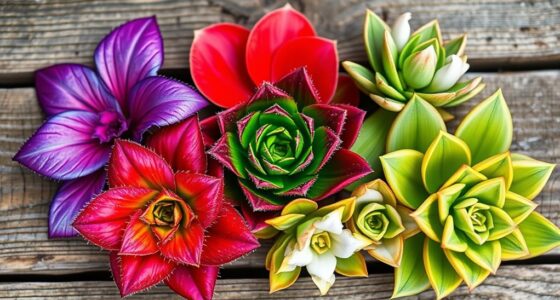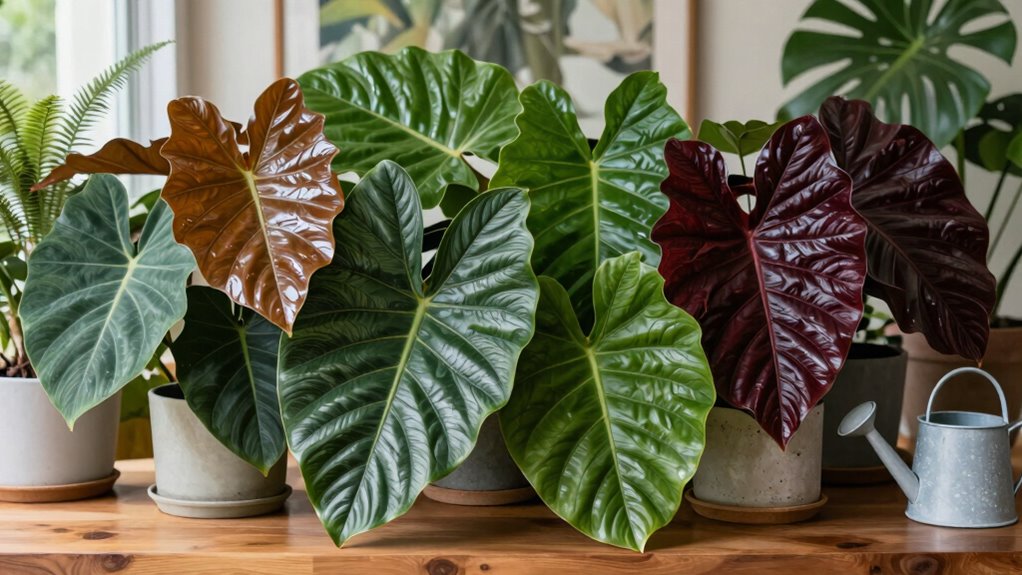

The rise of rare Alocasias in U.S. collections reflects their popularity among plant lovers seeking striking foliage and tropical flair. You’ll find that passionate collectors are focusing on unique species like Alocasia ‘Lautrec’ and ‘Dragon Scale,’ which require special care, including warm, humid conditions and well-draining soil. Mastering proper cultivation techniques can help your plants thrive and stand out. Keep exploring to discover more tips and secrets to growing these mesmerizing plants successfully.

Get the little things that make your day delivered free — and shop member deals
- Fast, free delivery on millions of items
- Access to Prime Big Deal Days deals on October 6–7
- Prime Video, Amazon Music and more included
Key Takeaways
- Growing popularity of rare Alocasias like ‘Lautrec’ and ‘Dragon Scale’ among U.S. plant collectors.
- Enthusiasts seek unique foliage, textures, and colors to diversify their tropical plant collections.
- Proper cultivation practices, including humidity control and well-draining soil, are essential for health and vibrancy.
- Limited availability of rare species increases their desirability and market value.
- Knowledge of specific identification helps collectors differentiate and care for these sought-after varieties.

Alocasias have become increasingly popular among plant collectors in the U.S., thanks to their striking foliage and tropical appeal. As you explore adding these plants to your collection, understanding cultivation practices becomes vital for their health and vibrancy. Alocasias thrive in warm, humid environments with well-draining soil rich in organic matter. You should aim to keep the soil consistently moist but not waterlogged, avoiding both drought and water stagnation. Providing bright, indirect light is ideal, as direct sunlight can scorch their leaves, while too little light may stunt growth. Maintaining high humidity levels—around 60-80%—can be achieved through regular misting or by placing a humidifier nearby. Fertilize during the growing season with a balanced, diluted liquid fertilizer every few weeks, then reduce feeding during dormancy. Proper watering, lighting, and humidity are the cornerstones of successful cultivation, especially when you’re nurturing rare species that may have specific needs. Additionally, understanding rare species identification is crucial, as many Alocasias look similar but possess subtle differences worth noting. You might encounter varieties like Alocasia ‘Lautrec’ or Alocasia ‘Dragon Scale,’ each with unique leaf shapes, textures, and coloration. Familiarize yourself with their specific features to avoid confusion and confirm you’re cultivating the right species. For example, some rare Alocasias have distinct leaf veins, unusual patterns, or unique coloration that set them apart from more common varieties. Accurate identification also helps you understand their growth habits and care requirements, which can vary among species. Joining online plant communities or consulting with specialty nurseries can assist you in correctly identifying rare species and acquiring authentic specimens.
As an affiliate, we earn on qualifying purchases.
Frequently Asked Questions
How Do I Identify Rare Alocasia Species Accurately?
To identify rare Alocasia species accurately, focus on leaf shape, size, and color, and compare them with trusted plant guides. Look for unique features like distinct veining or leaf margins. Understanding Alocasia hybridization helps distinguish hybrids from pure species. Supporting Alocasia conservation efforts encourages sustainable collection practices, ensuring these plants thrive. Consulting with experts or joining plant communities can also improve your identification skills and help you appreciate their rarity.
What Are the Best Growing Conditions for Rare Alocasias?
You’d think rare Alocasias are low-maintenance, right? Nope! They thrive in bright, indirect light—think filtered sun—and prefer warm, humid environments. When it comes to Alocasia propagation, keep the soil consistently moist but well-draining. Follow Alocasia care tips like avoiding cold drafts and waterlogging, and you’ll see these stunning plants flourish. Remember, patience and the right conditions turn rarity into a showstopper in your collection.
Are Rare Alocasias More Susceptible to Pests and Diseases?
Yes, rare alocasias can be more susceptible to pests and diseases because their unique features sometimes attract specific pests or weaken their defenses. To protect your plant, practice pest prevention by regularly inspecting leaves and keeping the environment clean. For disease management, guarantee proper watering and airflow, and promptly remove any affected foliage. Staying vigilant helps maintain healthy, vibrant rare alocasias in your collection.
How Much Do Rare Alocasias Typically Cost?
Rare alocasias typically cost between $50 and $500, depending on size and rarity. At rare plant auctions, you might find premium specimens fetching even higher prices. If you want to grow your collection, consider alocasia propagation to expand your plants affordably. Keep in mind, investing in rare alocasias can be worthwhile, as their unique foliage makes them highly sought-after among collectors and enthusiasts alike.
Where Can I Legally Purchase Rare Alocasia Varieties?
You can legally purchase rare Alocasia varieties from reputable online nurseries, specialty plant shops, or during rare plant shows. Look for vendors that focus on Alocasia hybrids and have good reviews to guarantee quality. Attending rare plant shows is a great way to find unique Alocasia hybrids directly from trusted growers. Always verify the seller’s credentials and confirm they comply with local plant import/export regulations before making a purchase.
Alocasia 'Dragon Scale' care kit
As an affiliate, we earn on qualifying purchases.
As an affiliate, we earn on qualifying purchases.
Conclusion
As you consider adding rare alocasias to your collection, remember they’re more than just stunning plants—they’re conversation starters and statement pieces. With their unique shapes and vibrant foliage, they can truly elevate your space. Are you ready to take your plant game to the next level and embrace the beauty of these exotic treasures? Don’t wait—start exploring and bring a piece of the tropics into your home today!
As an affiliate, we earn on qualifying purchases.
well-draining soil for Alocasias
As an affiliate, we earn on qualifying purchases.
As an affiliate, we earn on qualifying purchases.
NFL season / tailgating Picks
team gear
As an affiliate, we earn on qualifying purchases.