Import rules matter for you as a rare plant buyer in the U.S. because they help protect native ecosystems and prevent ecological risks. Following regulations guarantees your plants are legally obtained and helps support conservation efforts. Proper permits and documentation prevent fines, confiscation, and contribute to sustainable trade. Staying compliant also reduces the risk of spreading invasive species. Want to discover more about how to safely and responsibly import your rare plants? Keep exploring these important practices.
Key Takeaways
- Import rules protect native ecosystems by preventing the introduction of invasive or harmful plant species.
- Proper permits ensure legal compliance and avoid fines or confiscation of illegally imported plants.
- Regulations support conservation efforts by preventing overharvesting and habitat destruction of rare plants.
- Following import rules promotes sustainable collection and helps preserve biodiversity for future generations.
- Staying informed about import laws ensures responsible trade and supports global plant conservation initiatives.

Buying rare plants from abroad can be exciting, but it’s vital to understand the import rules that govern these transactions. When you venture into importing rare plants, you enter a complex web of regulations designed to protect native ecosystems and prevent illegal trade. If you ignore these rules, you risk not only losing your investment but also contributing to harmful practices that threaten plant diversity. The U.S. has strict import policies, enforced by agencies like the U.S. Fish and Wildlife Service, to guarantee that plants entering the country are legally obtained and do not pose ecological risks. These rules are in place partly to combat illegal trade, which often involves illegally harvested or smuggled plants that can harm wild populations and disrupt local ecosystems.
Understanding these import rules helps you avoid inadvertently supporting illegal trade. Many rare plants are protected under international treaties like the Convention on International Trade in Endangered Species of Wild Fauna and Flora (CITES). When you purchase a plant that’s listed under CITES, you’re responsible for making sure it’s accompanied by the proper permits. Failing to do so can lead to severe penalties, including fines and confiscation of your plants. Additionally, buying plants without proper documentation undermines conservation efforts by encouraging unscrupulous collectors to harvest plants illegally, often damaging delicate habitats and reducing wild populations.
Your role as a responsible plant enthusiast extends beyond just following the law. By adhering to import rules, you support conservation efforts aimed at preserving rare and endangered species. These regulations are designed to prevent overharvesting, habitat destruction, and the spread of invasive species, all of which threaten biodiversity. When you respect import procedures, you promote sustainable practices and help guarantee that rare plants remain available for future generations. It’s about balancing your passion for collecting rare plants with a commitment to ecological preservation. Moreover, being aware of the regulations surrounding electric bikes and other similar technologies can help you stay informed about the latest trends and safety standards in your hobby. Knowing the specific import regulations for different plant species can also streamline your purchasing process and prevent legal complications. Staying informed about the importance of compliance ensures you’re making responsible choices that support conservation efforts and legal trade practices. Additionally, understanding the significance of proper documentation can further safeguard your transactions and ensure compliance with all legal requirements. Being mindful of these regulations can also help you navigate the complexities of international trade and avoid inadvertent violations.
rare plant import permits
As an affiliate, we earn on qualifying purchases.
As an affiliate, we earn on qualifying purchases.
Frequently Asked Questions
How Do Import Rules Differ for Native Versus Exotic Rare Plants?
You’ll find that import rules differ for native versus exotic rare plants due to botanical regulations and conservation priorities. Native plants often face fewer restrictions since they naturally occur in the U.S., but exotic plants require strict permits to prevent invasive species and protect ecosystems. You must comply with conservation-focused regulations, ensuring your import aligns with federal guidelines designed to safeguard native biodiversity while responsibly handling exotic species.
Are There Specific Permits Required for Importing Certain Rare Plant Species?
Think of importing rare plants as steering through a lush, protected garden. You need specific permits, especially for certain species, to guarantee plant quarantine and biodiversity conservation. These permits act like a garden gatekeeper, preventing pests and diseases from sneaking in. By securing the right documentation, you help preserve native ecosystems and comply with regulations, making your rare plant journey safe and responsible for everyone involved.
What Penalties Exist for Violating Import Regulations on Rare Plants?
If you violate import regulations on rare plants, you face penalties like hefty fines, confiscation of the plants, or even legal action, which can jeopardize your ability to import in the future. Trade restrictions are strictly enforced to support conservation efforts, protecting endangered species from illegal trade. Ignoring these rules undermines conservation, harms ecosystems, and can lead to serious repercussions, so it’s essential to follow all import regulations carefully.
How Can Buyers Ensure Compliance With Changing Import Laws?
Think of yourself as a savvy explorer steering international trade waters. To stay compliant with changing import laws, you should regularly check updates from agencies like the USDA and Fish and Wildlife Service. Stay informed about conservation policies affecting rare plants, and consider consulting import experts or joining trade associations. This proactive approach helps you avoid penalties, supports conservation efforts, and keeps your rare plant collection thriving legally and ethically.
Do Import Rules Vary Between States Within the U.S.?
Yes, import rules vary between states within the U.S. due to state-specific regulations and environmental concerns. You must adhere to state-specific regulations that can include additional permits or restrictions. Additionally, import documentation requirements may differ, with some states requiring extra paperwork or inspections to prevent the spread of pests or diseases. Always check both federal and state regulations to guarantee your rare plant imports comply fully with all legal requirements.
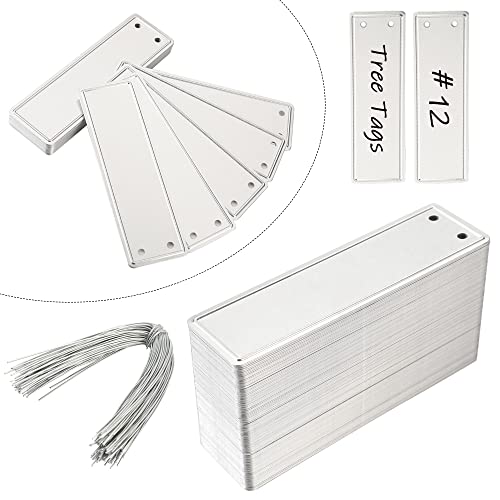
Aluminum Plant Labels – 120PCS Metal Tags with Wires for Plant Markers, Tree Tags, Outdoor Identification and Greenhouse
【Package Information】You will receive 120 pieces of aluminum plant labels in the package, sturdy and waterproof. Enough quantities…
As an affiliate, we earn on qualifying purchases.
As an affiliate, we earn on qualifying purchases.
Conclusion
Understanding import rules for rare plants is like steering a delicate dance—you need to stay in step to avoid missteps. By staying informed and compliant, you protect these unique species and guarantee your passion for rare plants thrives without interruption. Think of these rules as the steady beat that keeps your botanical journey in sync, guiding you smoothly through the complex rhythm of international trade. Embrace the knowledge, and let your love for plants blossom responsibly.
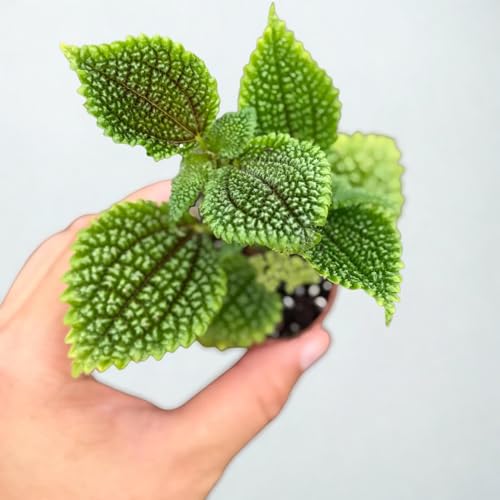
Pilea Moon Valley Live Plant – Rare Friendship Plant – Easy to Grow Indoor Outdoor Houseplant – Tropical Green Foliage Plant Gift for Home & Garden Decor (Heat Pack Included)
【Rare Friendship Plant】 – The Pilea Moon Valley features textured, quilted green leaves with bronze highlights, making it…
As an affiliate, we earn on qualifying purchases.
As an affiliate, we earn on qualifying purchases.
plant quarantine and documentation supplies
As an affiliate, we earn on qualifying purchases.
As an affiliate, we earn on qualifying purchases.