Tissue-cultured rare plants are transforming the market by providing a large, sustainable source that reduces pressure on wild populations and guarantees consistent quality. You can access healthy, disease-free plants quickly and affordably, which lowers costs and broadens opportunities for growers and enthusiasts. This method also supports conservation efforts and ethical practices by minimizing habitat damage. To discover how this shift impacts your options and the future of plant markets, keep exploring the latest innovations.
Key Takeaways
- Tissue culture enables mass production of uniform, disease-free rare plants, increasing market availability and accessibility.
- It reduces pressure on wild populations, promoting sustainable harvesting and conserving natural ecosystems.
- Advances in tissue culture techniques accelerate propagation, meeting rising consumer demand efficiently.
- Cultured rare plants support conservation efforts by preserving genetic diversity and facilitating reintroduction programs.
- The technology fosters market growth by lowering costs and expanding opportunities for hobbyists, growers, and restoration projects.
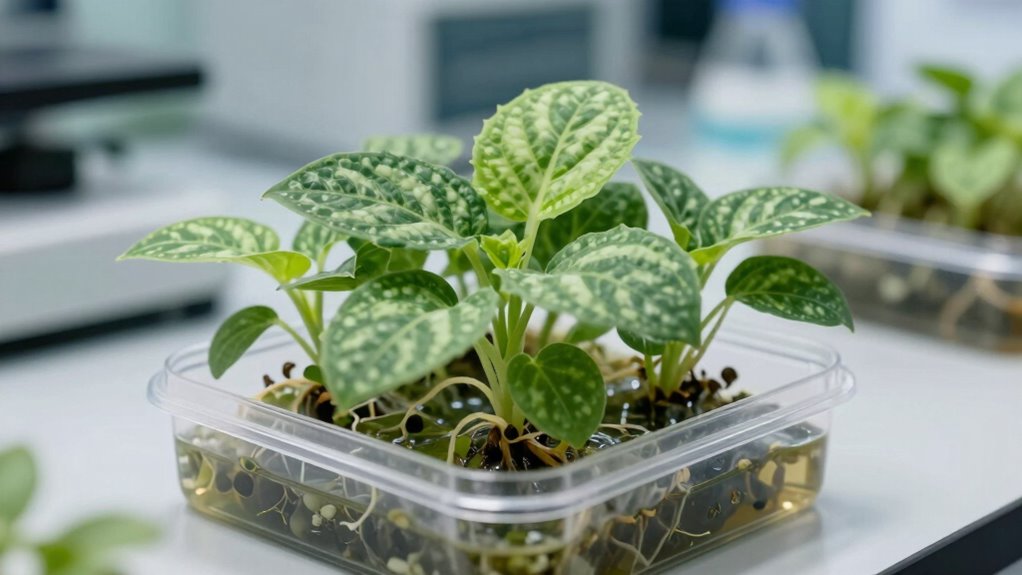
Tissue culture has become an essential tool in preserving and propagating rare plants that face threats in their natural habitats. By allowing you to produce large numbers of identical plants quickly and efficiently, tissue culture notably impacts the market for rare and exotic species. One of the key advantages is its ability to maintain and even enhance genetic diversity within conservation strategies. Instead of relying solely on seed propagation, which can be limited by low germination rates or genetic bottlenecks, tissue culture offers a way to multiply plants without risking the loss of unique genetic traits. This is especially crucial when dealing with critically endangered plants, where every genetic line matters for future resilience and adaptability.
Because tissue culture can generate hundreds or thousands of plants from a single specimen, it dramatically changes how rare plants are supplied to nurseries, collectors, and conservation programs. The ability to produce uniform, disease-free plants at a rapid pace means the market can meet increasing demand without putting additional pressure on wild populations. This shift reduces the need for wild collection, helping to preserve natural habitats and biodiversity. Furthermore, tissue culture’s efficiency helps conservationists implement more effective strategies, ensuring that genetic diversity is protected and propagated. This makes it easier to establish ex-situ collections that serve as backups against extinction and as sources for future reintroduction efforts. Additionally, ongoing research in plant tissue culture techniques continues to refine and optimize these processes, making them even more accessible and reliable. Advances in micropropagation are also enabling faster scaling and more precise genetic selection, further benefiting conservation efforts. Moreover, the development of clonal propagation techniques has expanded the scope of what can be achieved through tissue culture, allowing for more targeted conservation outcomes.
Tissue culture enables mass production of disease-free, uniform plants, reducing wild collection and supporting conservation efforts.
From a market perspective, tissue culture lowers costs and increases availability, making rare plants more accessible to a broader audience. Hobbyists, botanical gardens, and commercial growers can now acquire healthy, consistent plants that were once difficult or impossible to obtain. This democratization of access fuels demand, which in turn encourages further investment in tissue culture techniques and research. As these methods become more refined, the quality and variety of tissue-cultured plants continue to improve, further expanding their role in conservation and horticulture markets. Additionally, advancements in reliable propagation methods are making tissue culture an even more vital component of sustainable plant management. As the technology advances, it also opens new avenues for restoration projects and habitat rehabilitation efforts.
Overall, tissue culture helps meet the ethical and environmental concerns associated with wild harvesting. By providing an alternative source for rare plants, it reduces the impact on fragile ecosystems. This aligns with global efforts to promote sustainable practices and protect biodiversity. As a result, the market for tissue-cultured plants is growing, driven by consumer awareness and the need for responsible conservation. Overall, tissue culture doesn’t just change how rare plants are propagated; it transforms the entire market landscape by making conservation more sustainable, cost-effective, and accessible, ensuring these unique species have a future beyond their dwindling natural habitats.

Rare Monstera White Monster Tissue Culture Starter Plants, Variegated Plants Live Houseplants, Live Plants for Collectors, Monstera Plant for Indoor Garden
VARIEGATED HOUSE PLANTS: Elevate your space with indoor plants grown from the White Monster tissue culture, premium starter…
As an affiliate, we earn on qualifying purchases.
As an affiliate, we earn on qualifying purchases.
Frequently Asked Questions
How Do Tissue-Cultured Plants Impact Overall Plant Biodiversity?
Tissue-cultured plants can impact overall plant biodiversity by reducing genetic diversity since they often originate from a limited genetic pool. This may weaken ecosystem stability because less diverse plant populations are more vulnerable to diseases and environmental changes. However, they also help conserve rare species and prevent overharvesting. By balancing cultivation and natural preservation, you can support healthier ecosystems and maintain biodiversity.
Are Tissue-Cultured Plants More Resistant to Pests and Diseases?
Yes, tissue-cultured plants generally have better pest resistance due to genetic modification techniques used during cultivation. You’ll find they’re more resistant to pests and diseases because they’re grown in a controlled environment, reducing contamination. This process can incorporate desirable traits, making the plants stronger against threats. As a result, tissue-cultured plants often require fewer pesticides, helping you maintain healthier, more resilient plants with less effort and chemical use.
What Are the Environmental Impacts of Large-Scale Tissue Culture Production?
You might be surprised to learn that large-scale tissue culture production substantially reduces land use, saving up to 90% compared to traditional farming. However, it can also lead to environmental concerns like energy consumption from lab facilities and potential genetic modification impacts. In urban agriculture, tissue culture enables sustainable, space-efficient growth, but you should consider the balance between environmental benefits and the energy needed to support these high-tech methods.
How Do Tissue-Cultured Rare Plants Affect Traditional Conservation Efforts?
Tissue-cultured rare plants can supplement traditional conservation efforts by increasing market accessibility and reducing pressure on wild populations. However, they may also impact genetic diversity if producers focus on a few cloned variants, limiting natural variation. As you support tissue culture, consider balancing it with in-situ conservation to guarantee the preservation of genetic diversity and maintain the ecological roles these plants play in their native habitats.
Can Tissue Culture Techniques Be Applied to Other Rare or Endangered Species?
Yes, tissue culture techniques can be applied to other rare or endangered species. By doing so, you help preserve genetic diversity, which is vital for species’ adaptability and resilience. These methods enhance conservation strategies by enabling rapid propagation and reducing pressure on wild populations. As you utilize tissue culture, you contribute to a more effective, sustainable approach to protecting vulnerable species and maintaining ecological balance.

Cute Farms Premium Plant Care Kit – Houseplant Tap Water Conditioner, Hopuseplant Fertilizer, Mycorrhizal Fungi, Neem Oil, Scissors and Repotting Mat | All-in-One Gift for Indoor Plant Lovers
🌿 Complete Indoor Plant Care – Includes everything you need to keep houseplants thriving: Houseplant Tap Water Conditioner…
As an affiliate, we earn on qualifying purchases.
As an affiliate, we earn on qualifying purchases.
Conclusion
As you hold a delicate, vibrant rare plant grown through tissue culture, you realize how this tiny miracle reshapes the market. Its roots, unseen yet powerful, promise a future where scarcity fades into abundance. With every leaf unfurling, you glimpse a world where conservation and commerce intertwine, nurturing a lush, green horizon. This is more than a plant; it’s a revolution in your hands, transforming dreams of rare beauty into tangible reality.
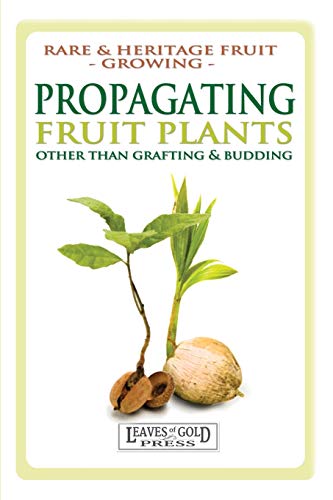
Propagating Fruit Plants: Heritage Fruit Growing #1 (Rare and Heritage Fruit)
As an affiliate, we earn on qualifying purchases.
As an affiliate, we earn on qualifying purchases.
Botanical Gardens and Their Role in Plant Conservation: European and American Botanical Gardens, Volume 3
As an affiliate, we earn on qualifying purchases.
As an affiliate, we earn on qualifying purchases.