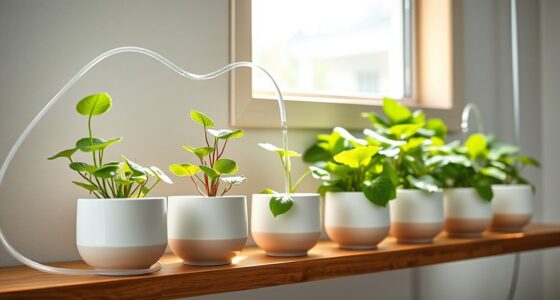
If you’re looking to improve indoor air quality, consider adding plants like snake plants, peace lilies, and pothos. These proven air purifiers can effectively eliminate pollutants such as formaldehyde, benzene, and trichloroethylene while enhancing your space’s beauty. Proper care and placement help these plants stay healthy and maximize their filtration. Keep exploring to discover how to create a healthier, greener home environment with these top plant choices.
Key Takeaways
- Snake plant, peace lily, and pothos are among the top indoor plants proven to filter formaldehyde, benzene, and trichloroethylene.
- Proper care, including adequate watering and indirect sunlight, enhances the air purifying effectiveness of these plants.
- Position plants in well-ventilated areas away from direct sunlight to maximize their pollutant absorption.
- Regular leaf dusting and maintenance sustain plant health and ensure continued air purification.
- Combining these plants with other air quality strategies, like filters, provides optimal indoor air cleanliness.
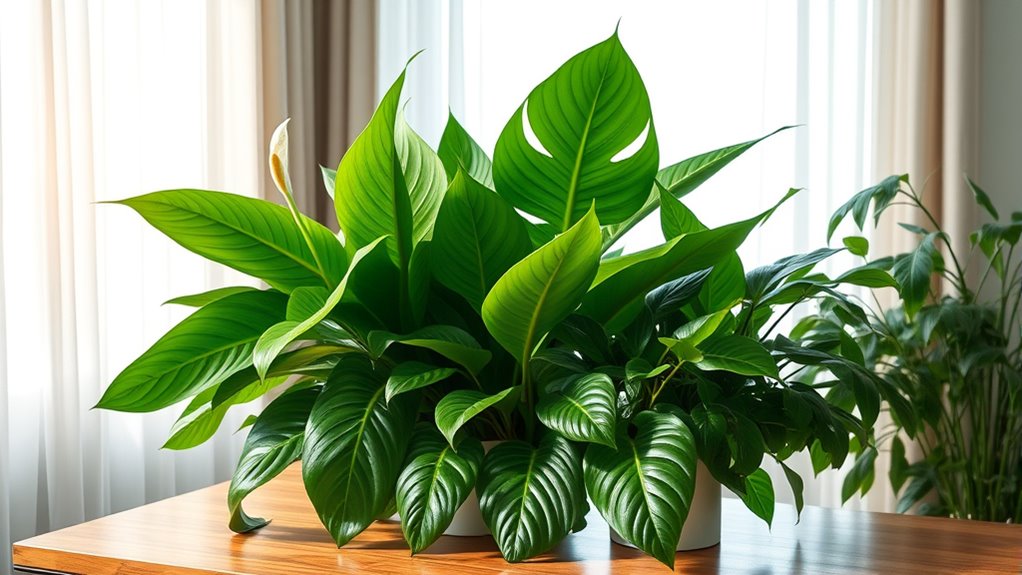
Have you ever wondered how to improve the air quality inside your home? Incorporating indoor plants can do more than just boost your decor; they offer notable air purifying benefits that can help create a healthier living environment. Plants such as the snake plant, peace lily, and pothos are well-documented for their ability to filter out common indoor pollutants like formaldehyde, benzene, and trichloroethylene. By adding these greenery options, you not only enhance the aesthetic appeal but also actively reduce airborne toxins, making your space safer and more comfortable.
Indoor plants like snake plants, peace lilies, and pothos improve air quality and enhance home decor.
To maximize the air purifying benefits, it’s vital to choose the right plants and care for them properly. Each plant has specific needs, so understanding plant maintenance tips is essential. For example, snake plants thrive on minimal watering and indirect sunlight, making them low-maintenance yet highly effective at improving air quality. Peace lilies require consistent watering and indirect light but are also excellent at removing mold spores and VOCs from the air. Pothos, known for its resilience, can tolerate low light and infrequent watering, making it perfect for busy or novice plant owners. Proper maintenance ensures your plants stay healthy and efficient at purifying the air, so regular watering, proper lighting, and appropriate fertilization are key.
You should also pay attention to the placement of your plants to optimize their benefits. Position them in areas with good airflow, away from direct sunlight that can scorch their leaves, and keep them out of reach of pets or children who might accidentally damage or ingest parts of the plants. Regularly dusting the leaves can also improve their air purifying capacity, as dust can block the plant’s ability to absorb pollutants through its leaves.
Another plant maintenance tip involves monitoring soil moisture levels to prevent overwatering, which can lead to root rot and diminish the plant’s health. Using well-draining soil and pots with drainage holes helps maintain proper moisture balance. Additionally, pruning dead or yellowing leaves encourages healthy growth and keeps your plants looking vibrant and effective at air purification. Recognizing the importance of HEPA filters and other advanced filtration methods can further enhance the overall air quality in your home, complementing your plant efforts.
Incorporating indoor plants with proven air purifying benefits requires a bit of attention, but the payoff is worth it. Not only do you get to enjoy the visual appeal of lush greenery, but you also actively improve the air you breathe. With simple plant maintenance tips, you can ensure these plants continue to thrive and deliver their full air-cleaning potential, transforming your home into a fresher, healthier space.

Easy to Grow Live Houseplants (6 Pack), Deluxe Collection of Assorted Air Purifying Indoor Plants, Peperomia, Spider Plants, No Duplicates, Pothos, Easy Plant Care, 2 in Pots, Begonia, Croton
- Includes 6 Indoor Plants: Assorted houseplants in 2-inch pots
- Variety of Popular Plants: Pothos, Peperomia, Spider, Croton, and more
- Compact and Decorative: Small size with big visual impact
As an affiliate, we earn on qualifying purchases.
As an affiliate, we earn on qualifying purchases.
Frequently Asked Questions
Do Indoor Plants Remove All Types of Indoor Air Pollutants?
Indoor plants can’t remove all types of indoor air pollutants, but they do contribute to air purification by effectively reducing common pollutants like formaldehyde, benzene, and trichloroethylene. You’ll notice improved air quality as these plants absorb certain toxins and increase humidity. However, for thorough pollutant removal, it’s best to combine plants with proper ventilation and air filtration systems, since plants alone can’t tackle every indoor air contaminant.
How Many Plants Are Needed to Purify a Typical Living Room?
To enhance air purification efficiency in your living room, you’ll want to consider a plant quantity of about 3 to 6 healthy indoor plants. This range balances effort and results, subtly suggesting that a well-placed collection can markedly improve air quality. Remember, more plants can amplify benefits, but quality and placement matter. Embrace the idea that a thoughtful, curated plant selection can transform your space into a fresher, healthier environment.
Are There Any Indoor Plants That Are Toxic to Pets?
Many indoor plants can be toxic to pets, so you should be cautious about pet safety. Plants like pothos, philodendron, and peace lilies are known as toxic plants that could harm your furry friends if ingested. To keep your pets safe, choose non-toxic options such as spider plants or areca palms. Always check plant labels and consult resources to make certain you’re selecting safe indoor plants for your home.
How Often Should I Water and Care for Indoor Air-Purifying Plants?
Wondering about your indoor air-purifying plants’ needs? You should water them when the top inch of soil feels dry—typically once a week, but it varies with humidity and temperature. Consistent plant maintenance keeps them thriving and effective. Keep an eye on their leaves; if they wilt or turn yellow, it’s a sign you need to adjust your watering schedule. Stay attentive, and your plants will reward you with fresh, clean air.
Can Indoor Plants Improve Air Quality in Heavily Polluted Areas?
Indoor plants can considerably improve air quality, even in heavily polluted areas, thanks to their natural air purification abilities. Their efficacy in removing toxins and boosting oxygen levels makes them a valuable addition to your space. While they won’t eliminate all pollution, they contribute to better air quality improvement, creating a healthier environment for you. Keep in mind, regular care ensures maximum plant efficacy in filtering pollutants.

Spathiphyllum 'Peace Lily' Live Plant – Peace Lily Plant Live Houseplant- Indoor Air Purifier – Low Maintenance Flowering Indoor Plant – CA Seller (Small Plant, 4" Pot, Flowering Currently)
- Potted and Ready to Display: Includes nursery pot with soil and fertilizer
- Elegant White Flowers: Year-round blooming for sophisticated decor
- Low Light Tolerance: Thrives in low to medium light environments
As an affiliate, we earn on qualifying purchases.
As an affiliate, we earn on qualifying purchases.
Conclusion
Bringing these plants into your space is like opening a window to fresh, pure air. They symbolize life, growth, and renewal—reminding you that a healthier environment starts with small, meaningful choices. As you nurture them, you invite clarity and calm into your home, turning your space into a sanctuary of freshness. Let these green guardians be your daily reminder that clean air is within your reach—simply by choosing nature’s quiet, powerful cleanse.
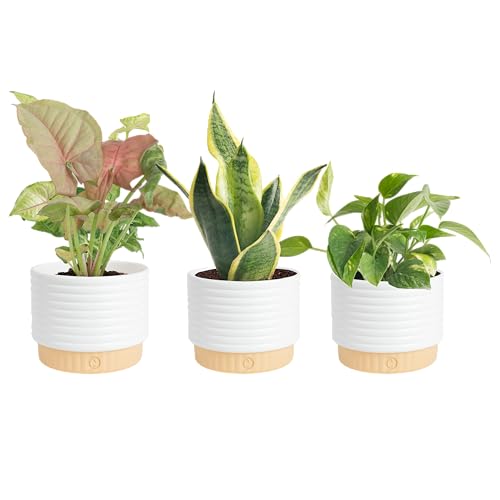
Costa Farms Live Indoor House Plants (3-Pack), Hand Selected Easy to Maintain Indoor Assorted Houseplants in Plant Pots, Curated Air Purifying Mix, Low Light, Home Office Decor Plant Gift
- Decor-Ready Indoor Plants: Perfect for gifting or home upgrade
- Variety of Easy-Care Plants: Includes Peace Lily, Snake Plant, Fern, Pothos
- Beginner-Friendly: Low-maintenance, minimal attention needed
As an affiliate, we earn on qualifying purchases.
As an affiliate, we earn on qualifying purchases.

Natural Gnat Spray for Plants, Ready to Use, Pet and Family Friendly, 8oz
- Kills Gnats on Contact: Uses a 4-oil essential blend
- Precise, Even Spray Nozzle: Professional mist for targeted coverage
- Plant-Based, Chemical-Free: No synthetic pesticides or artificial fragrances
As an affiliate, we earn on qualifying purchases.
As an affiliate, we earn on qualifying purchases.